Your vet ends up being one of the most important people in your pet’s whole life, which is a funny thing to realize when you’ve probably picked them because they were closest to your house. Working out how to choose a veterinarian while things are calm means you won’t be scrolling through reviews at midnight with a sick dog on the back seat. Here’s what’s worth looking for, and the questions that tell you the most.
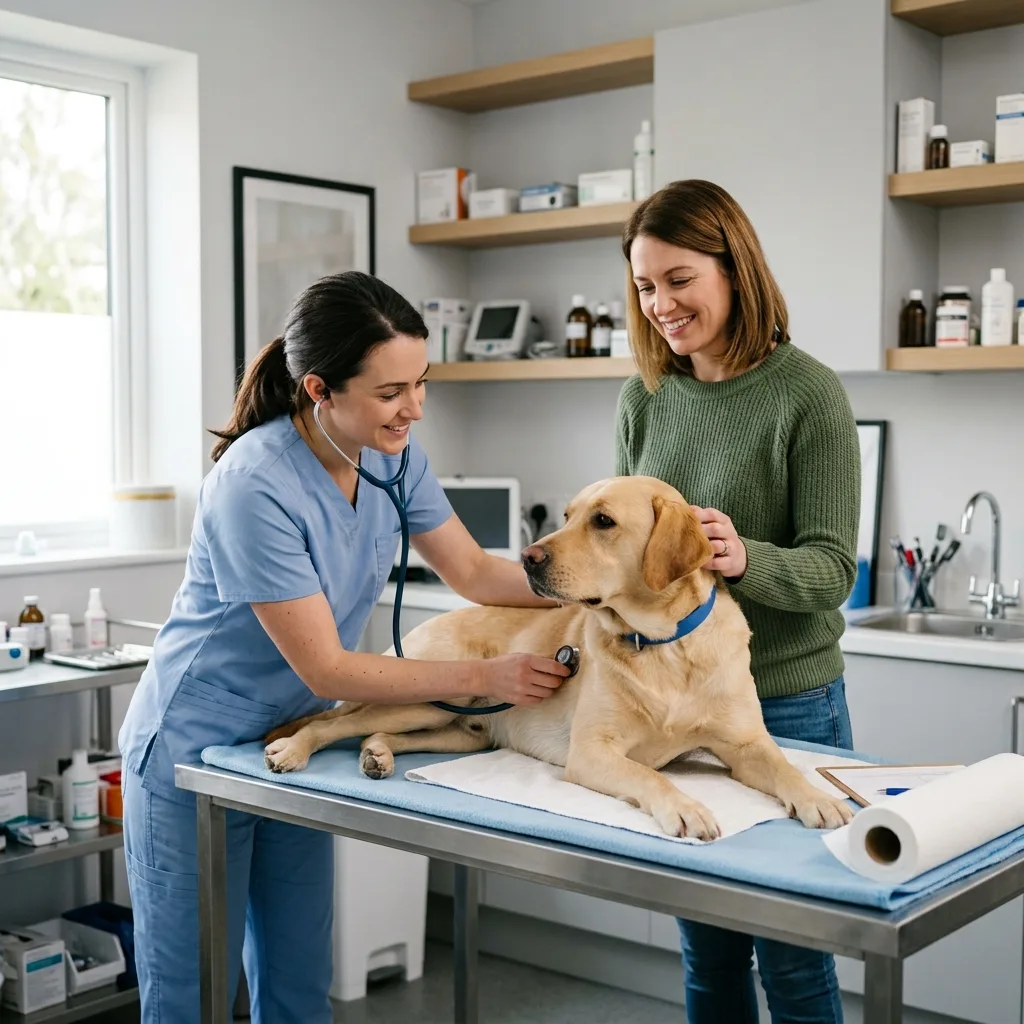
Quick answer: you want a clinic that’s reasonably close, has a clear plan for emergencies, is upfront about what things cost, and makes both you and your pet feel at ease. Ask about their hours, how they handle emergencies, what they can do in-house, their fees and how they deal with nervous animals, and if you can, pop in for a look around before your first appointment.
10 questions to ask a new vet
- When are you open? Do the hours actually work for you, including evenings or weekends?
- What happens in an emergency? Will they fit in urgent cases during the day, and which emergency hospital do they send people to after hours?
- How many vets work here? Can you see the same one most of the time, so they get to know your pet?
- What can you do on site? Blood tests, X-rays, ultrasound, dental work, surgery?
- How do you handle nervous or scared pets? Listen for words like low-stress or fear-free handling.
- Have you got experience with my kind of pet? This matters a lot for cats, particular breeds and exotic pets.
- How do you talk about costs? Will you get a written estimate before any procedure?
- How can I pay? Do they work with pet insurance, or offer payment plans?
- How do you keep in touch? Phone, email, an app, and how fast do they usually reply?
- Do you refer to specialists like cardiologists or dermatologists when it’s needed?
Accreditations and certifications that matter
- AAHA accreditation (US): the American Animal Hospital Association checks hospitals against a long list of standards and accredits the ones that pass. Lots of excellent clinics never bother applying, so don’t rule anyone out over it, but it’s a nice reassurance when you see it.
- Fear Free certification: means the staff have had training in keeping visits calm, which you’ll really appreciate if your dog starts shaking the moment you pull into the parking lot.
- Cat Friendly Practice: a label for clinics that have set things up with cats in mind, often including a separate waiting area so your cat isn’t sitting nose to nose with a barking Labrador.
What to look for when you visit
- It’s clean, it’s calm, and it doesn’t hit you with that strong clinic smell when you walk in
- The staff don’t make you feel like you’re wasting their time with questions
- Animals are handled gently and spoken to kindly, even the grumpy ones
- Cats and dogs have their own spaces, or at the very least there’s a quiet corner
- Things get explained so you actually understand them, and nobody’s rushing you into a decision
Red flags
- Pushy selling of products, or treatments you’re expected to agree to without a real explanation
- Dodging the question when you ask for an estimate
- Heavy-handed handling, or making you feel silly for being worried
- Dirty floors, overflowing bins, or a smell that makes you wince
- Nobody can tell you what to do if something goes wrong at night
Before your first appointment
- Dig out whatever records you have from old vets, the breeder or the shelter, and don’t forget the vaccine history.
- Write your questions down beforehand, because you will forget them the second you’re in the room, and add anything you’ve noticed changing.
- Jot down what your pet eats, their treats, any supplements and any medicines they’re on.
- Cats travel best in a secure carrier with a blanket that smells like home, and dogs should be on a leash in the waiting room.
Bringing home a new pet? Our puppy first night home and new kitten checklist guides both cover what to expect at that first vet visit.
Choosing a vet FAQs
How often should my pet see the vet? For most healthy adults, once a year is enough. Puppies, kittens and seniors generally need to go in more often.
Is a more expensive vet a better vet? Not always. Prices swing a lot depending on the area and what a clinic offers, so pay more attention to the care itself, how clearly they talk to you, and whether you trust them.
Can I switch vets? Of course. Just ask your old clinic to send your pet’s records over to the new one.
Leave a Reply