Ask any emergency vet what the first few days of November look like and you’ll probably get a tired laugh. Halloween is great fun for us, but from a pet’s point of view it’s a strange night: people in masks at the door, bowls of chocolate sitting at nose height, and a front door that opens and closes all evening long. The Halloween pet safety tips below are the ones that actually matter, along with exactly what to do if your dog or cat gets hold of something they shouldn’t.
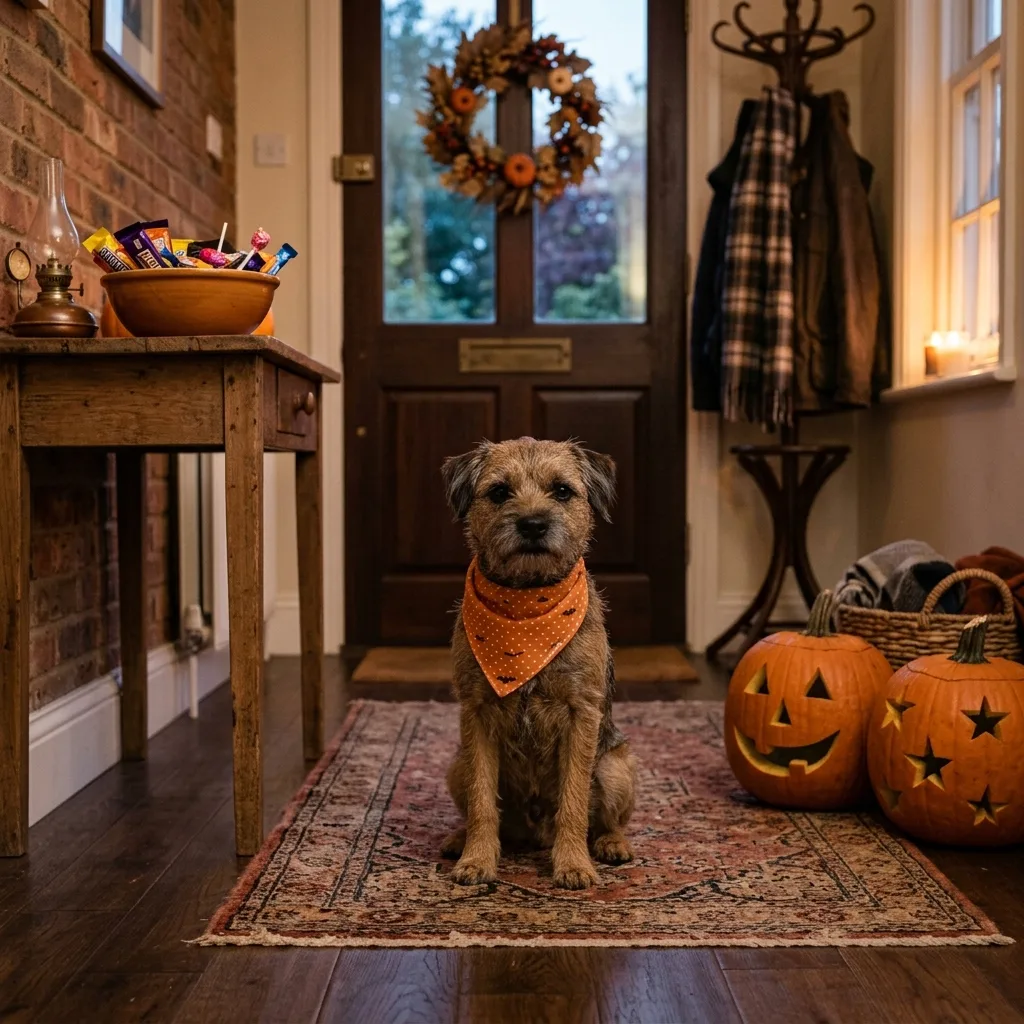
Quick answer: put every bit of candy somewhere high, and be extra careful with chocolate, sugar-free sweets that contain xylitol, and anything with raisins in it. Shut pets in a quiet room while trick-or-treaters are coming by, use flameless candles in the pumpkins, and only put a costume on a pet who honestly doesn’t mind it. If you think your pet has eaten something toxic, call your vet or a pet poison line straight away rather than waiting to see what happens.
Dangerous Halloween candy
- Chocolate. The problem ingredients are theobromine and caffeine, which dogs and cats can’t process the way we do, and the darker the chocolate the worse it is, so baking chocolate is the one that really worries vets. Early signs tend to be vomiting and restlessness, then a racing heart, and in serious cases seizures.
- Xylitol. This sweetener turns up in sugar-free gum, breath mints, some candy and even a few brands of peanut butter, and in dogs it doesn’t take much at all to send blood sugar plummeting and hurt the liver.
- Raisins. People forget about these, but they’re in chocolate-covered raisins, trail mix and those little snack boxes that end up in trick-or-treat bags, and grapes and raisins can damage a dog’s kidneys.
- Wrappers and lollipop sticks. Dogs rarely bother unwrapping anything, so the plastic goes down too, and that can mean choking or a blockage further along.
- A whole bag of sugary, greasy candy. Even the “safe” stuff in large amounts can bring on vomiting and diarrhea, and in some dogs a painful bout of pancreatitis.
If there’s one thing in your house to worry about on the night, it’s the kids’ candy haul once it gets dumped on the living room floor for sorting. Get it up onto a shelf, and have a word with the kids about not slipping any to the dog, no matter how hard the dog stares.
Costume safety
- Only go ahead with a costume if your pet seems relaxed in it. Ears pinned back, tail tucked, freezing on the spot or trying to wriggle out of it all tell you it’s not their thing.
- Check that nothing covers the eyes, nose or mouth, and that your pet can still breathe easily, move normally and go to the bathroom.
- Leave off anything with small bits that could be chewed off and swallowed, like buttons or little bells.
- Don’t leave a pet on their own while they’re dressed up.
- Honestly, a festive bandana gets you the photos without the fuss.
Decorations to watch
- Candles in jack-o’-lanterns. All it takes is one big tail wag or one curious cat to knock a lit pumpkin over, so battery-powered lights are the better choice.
- Glow sticks and glow jewelry. Cats in particular love to chew these, and the liquid inside tastes so bitter that they drool buckets and paw at their mouths. It usually isn’t dangerous, but give them some water and ring your vet to check.
- Fake cobwebs and stringy decorations. To a cat these look like the best toy ever, but swallowed string can cause serious problems in the gut.
- Cords and cables. Tuck them away if you’ve got a chewer.
- Carved pumpkins. Once they’re carved they start going moldy within days, and moldy food can make pets ill. Fresh, plain pumpkin is a different thing entirely, which we cover in can dogs eat pumpkin.
Trick-or-treaters and door safety
The endless knocking, the costumes and all the strangers can unsettle even a confident pet, and every time the door opens there’s a chance of a dash for freedom. So while trick-or-treating is going on:
- Set your pet up in a quiet room with their bed, water, something to chew and a radio or TV on low.
- Double-check that their ID tag is on and their microchip details are current.
- Get the dog walk done before dark, and if you do head out later, keep the leash on.
- Keep cats inside for the night.
What to do if your pet eats candy
- Take away whatever candy and wrappers are left, and look at the packaging so you know what was eaten and about how much.
- Make a note of your pet’s weight and what time it happened.
- Call your vet, an emergency vet, the ASPCA Animal Poison Control Center at (888) 426-4435 or the Pet Poison Helpline at (855) 764-7661 (US, fees may apply).
- Don’t try to make your pet vomit unless a vet has told you to.
Getting help quickly really does change the outcome, particularly with xylitol and chocolate.
Halloween pet safety FAQs
How much chocolate is toxic to a dog? That depends on what kind of chocolate it was and how big your dog is, and dark chocolate is far more dangerous than milk chocolate. Rather than trying to work it out yourself, call your vet or a poison hotline before any symptoms appear.
Is candy corn toxic to dogs? It isn’t toxic, but it’s almost entirely sugar, so a big handful can easily upset a dog’s stomach.
Are black cats at risk on Halloween? Any cat that’s outside on a loud, busy night is at more risk, whatever its color, so keeping every cat indoors is the safest option.
Keep reading: find out whether dogs can eat pumpkin safely, and keep a vet you trust on speed dial over the holidays.
Leave a Reply