Few dog habits make people gag quite like this one. One second your dog’s trotting along the trail, happily sniffing. The next, they’ve snapped up something truly revolting, and you’re suddenly rethinking every face lick you’ve ever allowed. If you’ve been asking why does my dog eat poop, you’re in very good company, and no, it doesn’t mean you’ve messed up. It’s weirdly common, and there’s actual research that explains a lot of it.
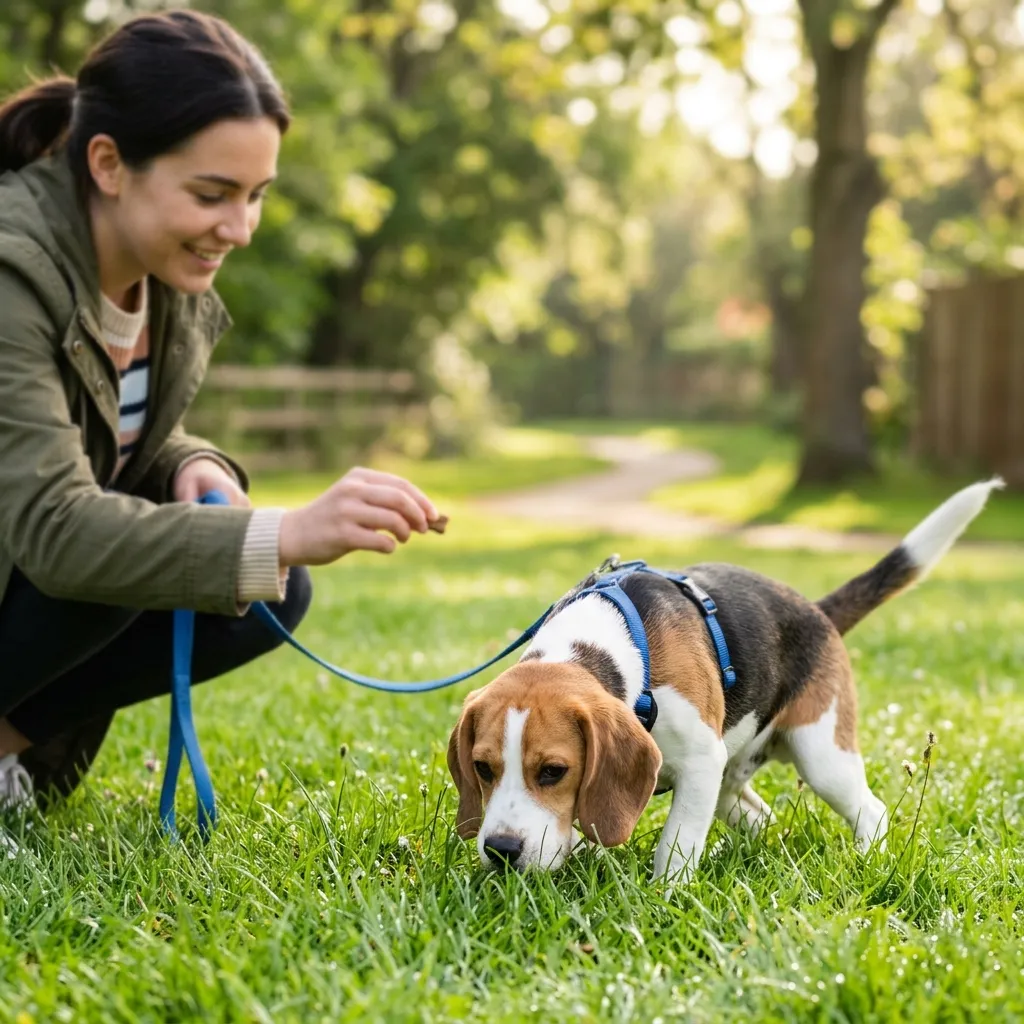
Quick answer: poop eating (vets call it coprophagia) is common and mostly instinct. Lots of dogs go for fresh stuff, which may be an ancient habit that kept dens clear of parasites. Boredom, hunger, wanting attention, stress and plain habit play a part too, and occasionally a medical problem. What works best: pick up fast, supervise, teach a solid “leave it,” and see the vet if it’s a new habit or comes with other symptoms.
How common is it, really?
More common than anyone likes to admit. A survey study led by vet behaviorist Dr. Benjamin Hart at UC Davis, published in 2018 in Veterinary Medicine and Science, collected reports on well over a thousand dogs. About one in six were called frequent poop eaters, and roughly a quarter had been caught at it at least once. The Aggie pulled out some of the most useful findings:
- Almost all the poop-eaters went for fresh stools, usually no more than a day or two old.
- It happened more in homes with more than one dog.
- Dogs described as greedy eaters were more likely to do it.
- It wasn’t clearly tied to diet or age, which pokes holes in the idea that it always means something’s missing from the food.
- Many popular products and home remedies had very low success rates, according to owners.
The researchers think the fresh-poop preference could be a leftover survival instinct. In the wild, eating fresh droppings near the den would clear waste away before any parasite eggs in it became infectious. Your dog might just be following an old housekeeping rule.
Why does my dog eat poop? The most common reasons
1. Instinct and normal mothering behavior
Mother dogs clean up after their puppies by eating their waste for the first few weeks. Puppies also mouth everything, and some copy what they see. Plenty grow out of it by around nine months. Some don’t.
2. Boredom and too little to do
Dogs stuck in a yard for hours, or who don’t get enough walks and brain work, make their own fun. And to a dog, poop is interesting. It smells strong, it’s usually around, and it gets a huge reaction out of you.
3. Attention seeking
If poop eating makes you yell, chase and grab, your dog may have figured out it’s a brilliant way to start a game. Chasing a dog with something in their mouth often just teaches them to swallow faster next time.
4. Fear of punishment during house training
Puppies who get scolded for accidents may decide the poop itself is the problem and try to get rid of the evidence by eating it. That’s one big reason calm, reward-based early house training matters so much.
5. Hunger or food obsession
Dogs on strict diets, speed-eaters and food-mad breeds like Labs and Beagles may see anything edible-ish as fair game, including undigested food in poop.
6. Stress and anxiety
Being cooped up, big changes at home, long hours alone or moving to a new family can all spark strange new habits, and poop eating is one of them.
7. Medical causes
Less often, it’s linked to a health problem that makes a dog hungrier or stops them absorbing nutrients properly. Think intestinal parasites, poor digestion, diabetes, thyroid disease, Cushing’s disease and some medications, especially steroids, which can make dogs ravenous. An adult dog who suddenly starts eating poop should see the vet.
Cat poop, horse manure and other “treats”
Plenty of dogs who’d never touch dog poop make a beeline for the litter box or the horse trail. Cat food is loaded with protein and fat, so cat poop smells like a treat. Horse and cow droppings are full of half-digested plants. Each comes with its own risks:
- Litter boxes: dogs can pick up parasites and swallow clumping litter, which can upset their stomach. A baby gate, a covered box or putting it somewhere only the cat can reach makes a big difference.
- Horse manure: horses that were recently dewormed can pass drugs like ivermectin in their droppings. Dogs with the MDR1 gene mutation, common in Collies, Aussies and related herding breeds, can be very sensitive to these drugs.
- Wildlife and farm droppings: can carry parasites and bacteria your dog wouldn’t normally run into at home.
Is eating poop dangerous for dogs?
A healthy, dewormed dog eating their own fresh poop usually won’t come to harm, but it’s not risk-free. Other animals’ poop can spread worms, Giardia, bacteria like Salmonella, and sometimes viruses like parvo. It can cause vomiting or diarrhea too. And it’s a hygiene issue for the humans, especially kids, getting licked by that same dog. Staying on a regular deworming and parasite-prevention schedule protects everyone.
When to see a vet
Book a vet visit if your dog:
- Suddenly starts eating poop as an adult
- Is losing weight even though they eat well, or always seems starving
- Has diarrhea, vomiting, a bloated belly or a dull coat
- Is drinking and peeing way more than usual
- Is on a medication that can ramp up appetite
Your vet may test a poop sample for parasites, run bloodwork and look at the diet. If you need a practice you trust, here’s how to choose a veterinarian.
How to stop your dog from eating poop
There’s no magic trick that works on every dog, which matches what the research found. What works best is mixing management and training, and sticking with it:
- Pick it up right away. This is the single biggest thing you can do. Scoop the yard immediately, ideally before your dog even turns around.
- Supervise and use a leash. Keep your dog leashed anywhere droppings are common, so you can steer them away.
- Teach a rock-solid “leave it.” Start at home with boring stuff and reward generously, then work up to real-world temptations.
- Reward the turn-back. Right after your dog poops, call them over and give a really tasty treat. Lots of dogs learn to come running for the treat instead of turning around to investigate.
- Keep calm. No chasing, no shouting. Interrupt calmly and redirect.
- Add enrichment. Longer sniff walks, puzzle feeders, food-dispensing toys and quick training games cut down on boredom.
- Slow down fast eaters. Slow-feeder bowls and more, smaller meals can help food-obsessed dogs feel fuller.
- Block the litter box and keep the yard clean.
- Think about a basket muzzle for walks in problem areas, introduced slowly and positively, if nothing else works.
You’ll find plenty of taste-deterrent powders to sprinkle on food, but owners in the UC Davis survey had very little luck with them. They may help a few dogs. They’re no substitute for cleanup and training.
A simple two-week plan that works for most dogs
Habits fade faster when your dog gets zero chances to practice them for a while. So for the next two weeks, leash your dog every single time they go out, even quick trips to the yard. Carry small, high-value treats. The moment they finish, say something cheerful like “this way,” step away from the spot and reward when they follow. At home, practice “leave it” for a few minutes a day: first a treat under your hand, then a toy on the floor, then a treat on the floor. By the end of two weeks, lots of dogs start turning to you automatically after they go, which is exactly what you want. Keep the yard clean afterward, and only hand back more freedom once the new routine is solid.
Myths about dogs eating poop
| Myth | Reality |
|---|---|
| It always means a vitamin deficiency | Research found no clear link to diet in most dogs |
| Only badly behaved dogs do it | Well-loved, well-trained dogs do it too |
| Punishment will stop it | Punishment can make dogs eat faster or hide it |
| Puppies always grow out of it | Many do, but some keep the habit without training |
| Pineapple always works | There’s little evidence for this or most home remedies |
Frequently asked questions
Why does my puppy eat his own poop?
It’s common in puppies, who explore with their mouths and may copy their mom’s cleanup routine. Fast pickup, positive house training and lots of supervised play usually help them outgrow it.
Why does my dog eat other dogs’ poop but not his own?
Dogs seem extra drawn to fresh poop, and another dog’s can smell more interesting or carry traces of a different diet. Supervision and a strong “leave it” are key on walks and at the dog park.
Should I let my dog lick me after eating poop?
Best to skip face licks, and wash your hands after touching your dog’s mouth. Our guide on why dogs lick people so much explains how to redirect licking without upsetting your dog.
Can eating poop give my dog bad breath?
Yes, and it’s often the first thing owners notice. Bad breath that won’t go away can also come from dental disease, so bring it up at your dog’s next checkup.
This article is for general information and is not a substitute for advice from your veterinarian.
Leave a Reply