There’s really no dignified way for a dog to drag their bottom across your nice living room rug, and if you’ve watched it happen, you’ve probably asked yourself why is my dog scooting? It looks funny, and fine, it sort of is, but it’s nearly always your dog telling you that something back there itches, feels full or is just plain uncomfortable. The good news is that most of the reasons are easy to deal with once you know which one you’re looking at.
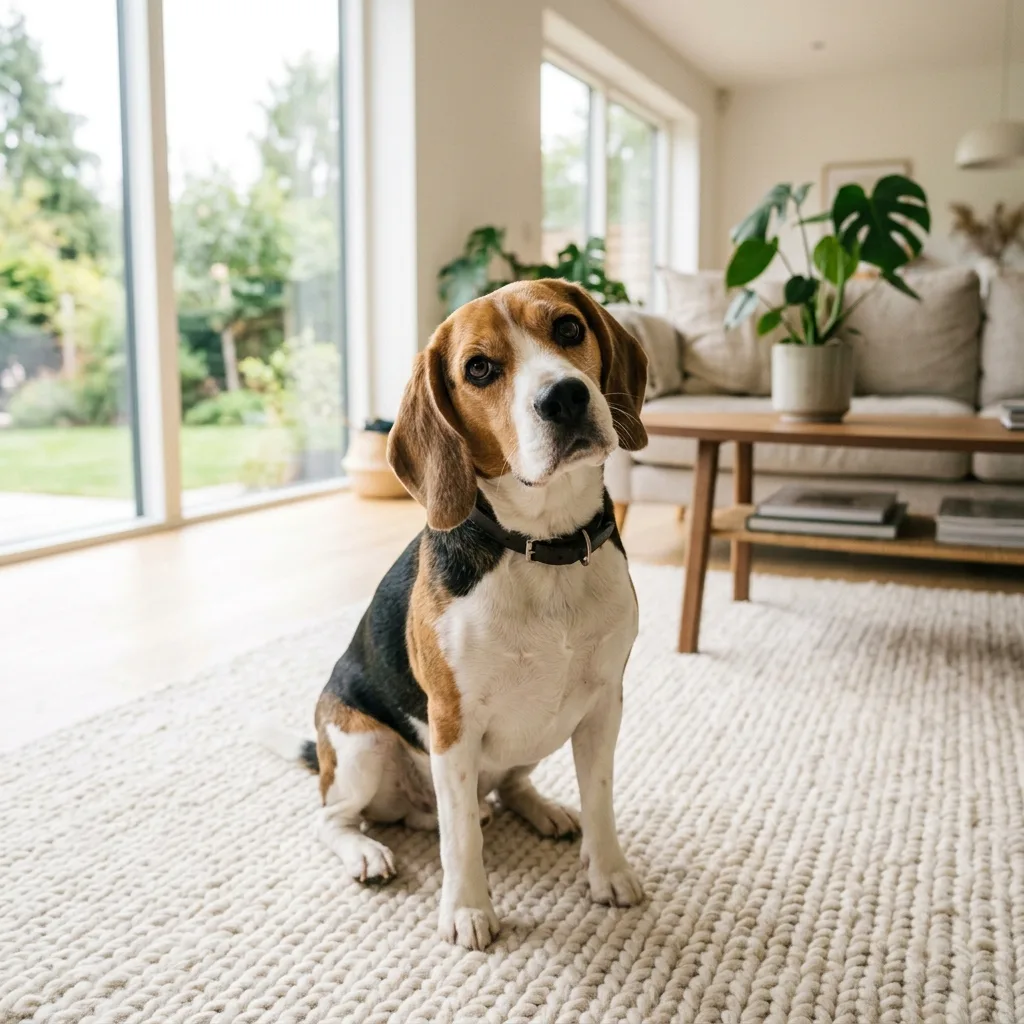
Quick answer: the number one reason is anal glands that are too full or irritated. After that you’ve got fleas, tapeworms, allergies, diarrhea and matted fur around the back end. A scoot or two after a messy poop is nothing to worry about. If it keeps going for more than a day or two, or you notice swelling, blood or a really bad smell, it’s time to see the vet.
The most common causes of scooting
1. Anal gland problems
Every dog has two small scent glands, called anal sacs, sitting just inside the bottom, and they normally squeeze out a little bit every time your dog does their business. When they don’t empty the way they should, they fill up and start to itch, and they can become impacted, get infected or even turn into an abscess. If you’ve noticed a strong fishy smell, that’s the classic giveaway. Small breeds, dogs carrying extra weight and dogs whose poop tends to be soft get this more often than others.
2. Fleas and tapeworms
Fleas are a big one. Their bites itch like crazy, and they love hanging out around the tail and bum. There’s a second nasty twist, too: a dog nibbling at fleas can swallow one, and that’s how tapeworms get in. You’ll know tapeworm when you see it, because the segments look just like bits of cooked rice stuck in the fur back there or in the poop, and your poor dog finds them unbearably itchy as they come out.
3. Allergies
Food and environmental allergies usually show up as itchy skin, and for whatever reason the rear end is one of the places they like best. If your dog is also licking their paws, scratching their ears or getting one ear infection after another, it’s worth bringing allergies up with your vet.
4. Diarrhea, soft stool or matted fur
Runny poop doesn’t always wipe clean, and what’s left behind stings. On a fluffy dog it gets worse, because it tangles into the hair and dries into little clumps that tug every time they move. Honestly, a quick trim with some blunt scissors and a wash is sometimes the whole fix.
5. Less common causes
Less commonly, skin infections, injuries, rectal prolapse and, rarely, tumors near the bottom can cause scooting too. These are more likely in older dogs, or when the scooting shows up alongside other changes.
What you can check at home
- Lift the tail. Good light. Take a proper look. Red? Puffy? Anything oozing, bleeding, or matted?
- Rice-looking bits on the fur, the bed or in fresh poop? That’s tapeworm.
- Fleas, or their dirt (tiny black specks, like pepper), around the base of the tail.
- A warm, damp washcloth or an unscented pet wipe, and gently clean up.
- Scribble down how often the scooting’s happening and whether the poop has been on the soft side. Your vet will love you for it.
And please, leave the anal glands alone unless a vet has shown you exactly how. Squeeze too hard and you’ll hurt your dog and possibly the glands, and an infected one needs a vet regardless.
When to call the vet
- The scooting has gone on for more than a day or two
- You can see swelling, a lump, or a red or purple patch beside the bottom
- There’s blood, pus or a really strong smell
- Your dog yelps, snaps or clamps their tail down when you touch the area
- You spot tapeworm segments (your dog will need a dewormer)
- Your dog is lethargic, off their food, or feels feverish
Don’t sit on a swollen gland. It can become an abscess and burst straight through the skin, which is as unpleasant as it sounds. The upside is that emptying glands takes a vet a couple of minutes, and most dogs look relieved before you’re even back in the car.
How to prevent scooting
- Firm poop, happy glands. Good food with enough fiber means the glands get squeezed empty naturally each time your dog goes. Your vet can tell you whether a fiber supplement or a spoonful of plain pumpkin is worth adding.
- Flea prevention, twelve months a year. Deworm on your vet’s schedule.
- Watch the waistline. A chunky dog’s glands have a harder time emptying.
- Give fluffy bums a trim if your dog has long hair back there.
- Tackle allergies with your vet if the itch keeps coming back.
Dog scooting FAQs
Is dog scooting an emergency? Most of the time, no. It does become urgent if there’s a painful swelling, an open wound, a lot of bleeding, or your dog seems unwell.
Can I use home remedies for anal glands? Adding fiber helps some dogs, but it won’t sort out a gland that’s already impacted or infected. If the scooting doesn’t stop, see your vet.
Why does my dog scoot after grooming? Plenty of groomers empty the glands as part of the service, and some shampoos sting sensitive skin. A day of scooting afterward is pretty normal. Any longer and it’s worth mentioning to the groomer, and your vet.
Can puppies scoot? They can. In puppies, worms and soft poop are the usual culprits, and a poop test at the vet is a good place to start.
For more on keeping your dog healthy, have a look at the Merck Veterinary Manual or browse our dog health guides.
Leave a Reply