Fetch in the park on a July afternoon? Sure, your dog’s going to pant like a steam train. That’s just cooling off. But what about the dog who’s been flopped on the kitchen tiles for an hour, hasn’t lifted a paw, and is still huffing with their tongue hanging out? Different story. When people ask me why does my dog pant all the time, my first question back is always: what else is going on? Sometimes it’s just a stuffy room. Sometimes it’s pain, or the heart. The clues are usually in the context.
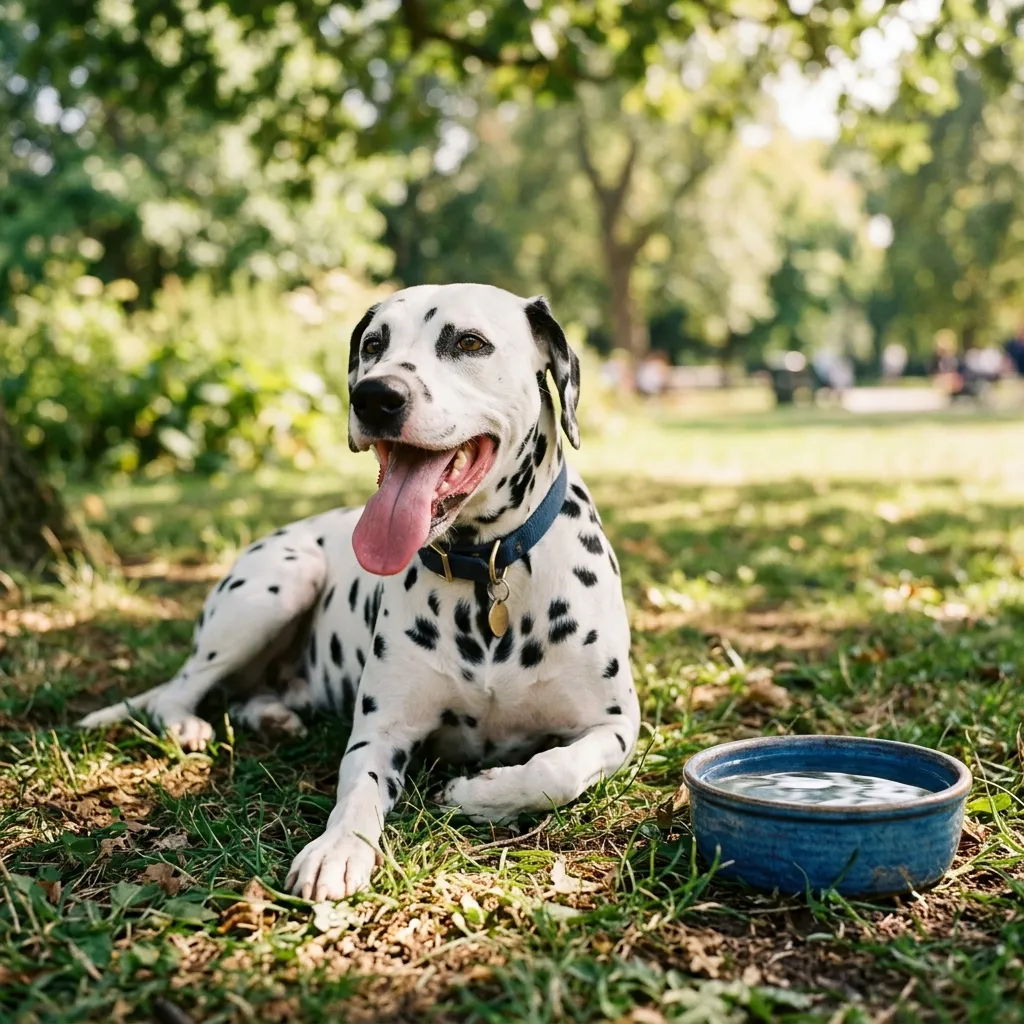
Quick answer: dogs pant to cool down and to burn off excitement or nerves. After a walk, in hot weather, when the doorbell goes or the thunder starts, that’s normal. Panting while lying still, at night, in a cool room, or panting that’s new and heavy and won’t quit is another matter. Pain, anxiety, heat stroke, Cushing’s, heart or lung disease, airway trouble, extra weight and some medications can all be behind it. If heavy panting comes with restlessness, a bloated belly, pale or bluish gums, collapse or overheating, skip the reading and get to a vet.
Why dogs pant in the first place
Here’s something a lot of people don’t realise: dogs barely sweat. There are a few sweat glands in their paw pads, and that’s about it, so they can’t cool off like we do. Panting is their air conditioner. Rapid little breaths pull air over a wet tongue and mouth, the moisture evaporates, and heat leaves with it. Pretty clever, actually. It’s why your dog can be gasping after a sprint and breathing easy five minutes later.
It’s also a release valve for big feelings. Car rides, vet waiting rooms, fireworks, a knock at the door. Cue the panting.
Normal reasons your dog pants
- Exercise and play, especially when it’s hot or muggy.
- A warm room, a sunny window spot, or a thick coat.
- Excitement, like walk time, visitors or dinner.
- Stress and nerves, like car rides, thunder, fireworks or the vet.
- Breed: flat-faced dogs like Pugs, Bulldogs and Boxers pant more because their airways are narrow. Fluffy northern breeds overheat faster in summer.
Once your dog has cooled off and settled, normal panting should die down in 10 to 15 minutes or so.
Why does my dog pant all the time? Medical causes
1. Pain
Pain is sneaky in dogs. They don’t cry out much, but they do pant. Stiff arthritic joints, a sore back, a pulled muscle, a cracked tooth, a bellyache. Watch for the extras too: a dog who can’t get comfy, who trembles, who keeps standing up and lying back down, or who licks one spot over and over.
2. Heat stroke
On a hot day, wild, frantic panting with thick strings of drool, bright red gums, stumbling, vomiting or a dazed look could be heat stroke. Dogs die from this every summer. Get your dog into the shade or indoors, let them sip a little water, soak them with cool (never ice-cold) water, and drive to the vet while you do it if you can.
3. Cushing’s disease
Cushing’s disease happens when the body pumps out too much cortisol. It’s a middle-aged and senior dog thing, mostly. The pattern vets look for: panting at rest, drinking and peeing loads more, acting starving all the time, a saggy pot belly and thin fur. A blood test sorts out the diagnosis, and most dogs do fine on medication.
4. Heart disease
With heart disease, fluid can slowly build up in or around the lungs as things progress. You’ll notice your dog breathing faster and working harder at it, and it’s most obvious when they’re resting or it’s night-time. A cough, getting tired sooner on walks and restless nights often tag along.
5. Lung and airway problems
Pneumonia, fluid around the lungs, a collapsing windpipe, laryngeal paralysis, brachycephalic airway syndrome. All of these make every breath harder work. Noisy breathing, a goose-honk cough or a bark that suddenly sounds hoarse are things to listen for. We cover airway syndrome in flat-faced dogs in our guide on why dogs snore so loud.
6. Anemia
Anemia means fewer red blood cells hauling oxygen around, so the dog breathes faster to keep up. Pale gums, weakness and tiredness give it away.
7. Fever or infection
Fever can make a dog pant, mope and go off their food. Infection just about anywhere in the body can cause it.
8. Medications
Is your dog on steroids like prednisone? Panting, thirst and a bottomless appetite are classic side effects. Some other medications do it as well. Let your vet know if the panting began after starting something new, but keep giving the medicine until you’ve talked to them.
9. Obesity
Carrying extra weight is like wearing a winter coat to the gym. Every step takes more effort and the body holds onto heat. Heavier dogs overheat and pant faster, and dropping even a few pounds can make a noticeable difference.
10. Anxiety and cognitive changes
Worried dogs pant, pace and whine, and it often gets worse after dark. Older dogs going through cognitive decline, a doggy version of dementia, may pant and roam around in the evenings. People call it sundowning.
Why does my dog pant at night?
If your dog is panting at night in a cool, quiet bedroom, pay attention. Pain that flares when they lie still, anxiety, confusion in an older dog, a room that’s too warm, Cushing’s, heart disease, a side effect from medication. Any of these can do it. More than a couple of nights of panting and pacing, especially if it’s something new, is worth a vet visit.
Count your dog’s breathing at home
Want one simple thing that could catch a problem early? Count your dog’s breaths while they sleep. Vets ask owners of dogs with heart conditions to do exactly this, because a rising number can be the first warning sign. VCA Animal Hospitals says most healthy dogs take fewer than 30 breaths a minute when they’re asleep or resting quietly.
- Wait until your dog is deeply asleep or totally chilled out, and not in the middle of a dream.
- Count each time the chest rises (one up and down is one breath) for 30 seconds.
- Double it to get breaths per minute.
- Do this on a few different days so you know what’s normal for your dog.
- Call your vet if the resting rate sits above 30 to 40 breaths a minute, or is clearly higher than your dog’s usual.
Vet cardiologists love this trick, and more of them recommend it every year. The Veterinary Partner guide explains how sleeping breathing rates help keep tabs on dogs with heart disease.
Normal panting vs. panting to worry about
| Usually normal | Call your vet |
|---|---|
| After exercise, heat or excitement | At rest, in a cool room, for no clear reason |
| Settles within 10 to 15 minutes | Lasts for hours or keeps coming back |
| Pink gums, relaxed body | Pale, grey, blue or very red gums |
| Normal appetite and energy | Restlessness, pacing, trembling or hiding |
| Easy, quiet breathing afterward | Noisy breathing, coughing or a changed bark |
Some signs mean drop everything: collapse, blue or grey gums, a hard, swollen belly (especially with dry retching in a big dog), bad heat stroke, or breathing with the mouth wide open and the elbows pushed out. Go to the nearest clinic. Our guide on how to choose a veterinarian can help you sort this out ahead of time.
How to help a dog that pants a lot
- Keep them cool: shade, AC or a fan, a cool floor to lie on, and fresh water at all times.
- Walk early or late on warm days, and keep walks shorter for flat-faced and older dogs.
- Work on weight with help from your vet.
- Set up a calm spot for anxious dogs, and think about getting professional help for noise phobias.
- Treat pain. Plenty of older dogs pant far less once their arthritis is properly treated with vet-prescribed medication.
- Don’t leave a dog in a parked car, not even for a few minutes on a mild day.
If your dog is shaking as well, our guide on why dogs shake and tremble explains why those two often show up together.
A quick way to tell happy panting from stressed panting
The mouth and eyes tell you a lot. Happy panting looks loose. Mouth open, lips gently pulled back into something like a grin, soft eyes, relaxed body. Stressed panting looks tight. Lips drawn way back, tongue tip curled, whites of the eyes showing, ears flattened, body stiff or pacing. Add in yawning, lip licking, sudden shedding or drool and you’ve got a dog who’s not okay. Move them somewhere quiet, lower your voice and let them breathe.
Hot-weather rules that prevent dangerous panting
Most heat-related panting can be avoided. Put the back of your hand on the pavement before a walk. Can’t hold it there for seven seconds? Too hot for paws. Go early in the morning or later in the evening, bring water, pick the shady route. Flat-faced breeds, older dogs, puppies, overweight dogs and dogs with heart or airway problems need the most care. A cooling mat, a paddling pool under a tree, a frozen treat or two. Small things, big difference.
Frequently asked questions
Why is my dog panting while lying down?
Warm room? Just back from zoomies? Probably nothing. Lying down in a cool room and still panting? That could be pain, nerves or a medical issue, so keep watching.
Why does my old dog pant so much?
Older dogs tend to pant more thanks to sore joints, heart disease, Cushing’s, a few extra pounds or cognitive changes. A vet visit often turns up something that can be treated.
Is panting a sign of stress in dogs?
Yep. Stress panting usually shows up with lip licking, yawning, ears pinned back, pacing and a worried face. Take away whatever’s scaring them, or help them feel safe, and it tends to slow down.
How much panting is too much?
Panting that hasn’t settled after 15 minutes of rest somewhere cool, or a sleeping breath count that keeps landing above 30 to 40 a minute. Either one is a good reason to call.
Can dogs pant from being happy?
Of course. Plenty of dogs pant with a big, goofy, open-mouthed grin when they’re excited or content. Body language tells you which kind you’re looking at.
This article is for general information and is not a substitute for advice from your veterinarian.
Leave a Reply