Just brought home a wriggly puppy? Or adopted a grown-up dog who’s still sniffing out every corner of the house? Either way, nailing the dog care basics makes everything that comes after so much easier. Here’s what every dog needs, no fluff, with links to our deeper guides on each topic.
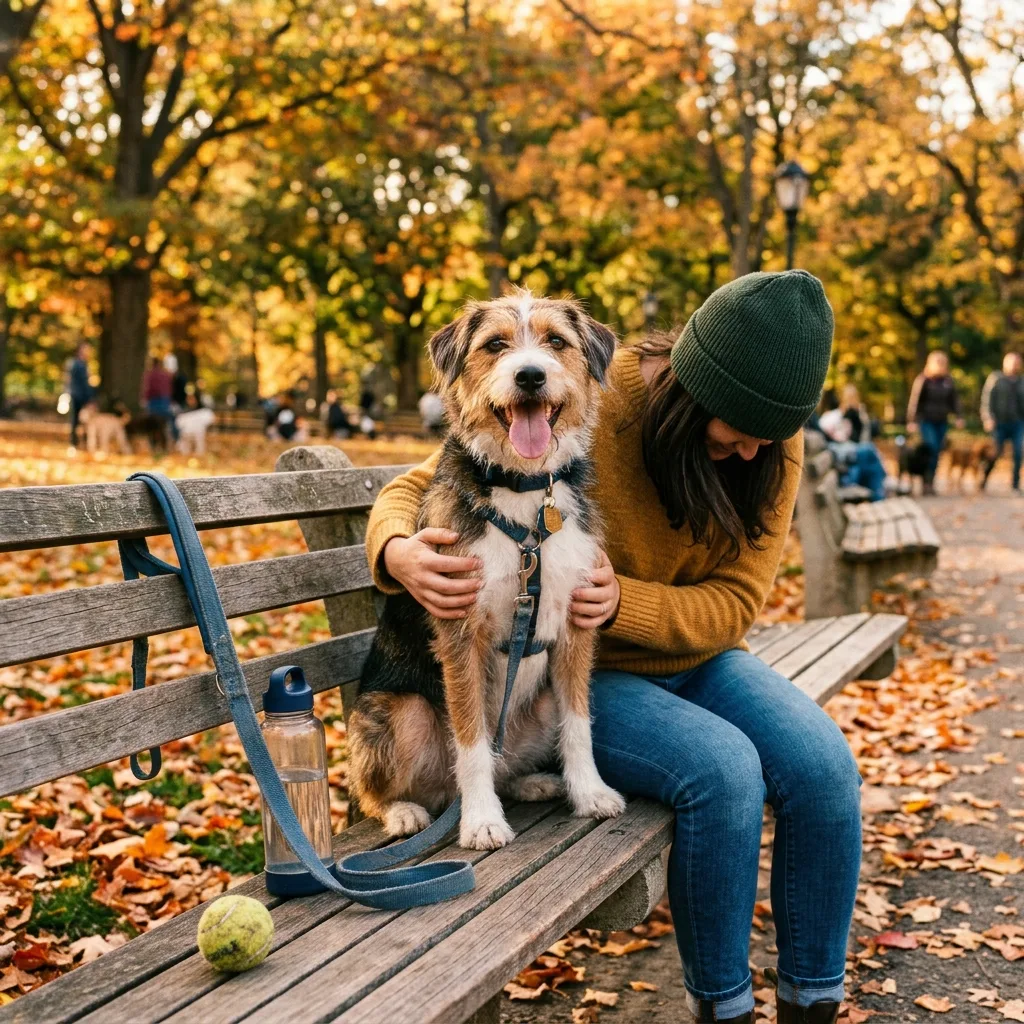
Quick answer: good food that’s complete and balanced. Fresh water, always. Exercise and something to think about, every day. Regular vet care, including vaccines and parasite prevention. Basic grooming. Kind, reward-based training. And a safe home, with ID on your dog in case they ever slip out.
1. Food and water
- Food first. Grab something labeled complete and balanced for your dog’s age: puppy, adult or senior.
- Skip the all-day buffet. Measure each meal, and nudge portions up or down to keep your dog trim.
- Treats? Around 10% of the day’s calories, max. Healthy bits like plain pumpkin count.
- And water. Fresh, clean, and never, ever empty.
2. Exercise and enrichment
Most dogs need somewhere between 30 minutes and 2 hours of activity a day, depending on age, breed and health. Mix it up: walks, games, and plenty of time to just sniff. Don’t forget their brain. Puzzle feeders, training games and chews stop boredom from turning into chewed shoes. And walks are way more fun when your dog isn’t dragging you down the street. Here’s how to stop a dog from pulling on the leash.
3. Veterinary care
- Checkups. Once a year for grown dogs, more for puppies and oldies. Still hunting for a vet? Read how to choose a veterinarian.
- The core shots. Rabies, distemper, parvo and adenovirus. Depending on how your dog lives and where you are, your vet may add a few.
- Bug control. Fleas, ticks, heartworm, gut worms. Usually all twelve months.
- Spay or neuter. Chat through the timing with your vet.
- Teeth. Brush at home. Pro cleanings when your vet says so.
4. Grooming
- Brush. How often depends on the coat. A Husky and a Boxer are very different jobs.
- Baths when they need one, which is usually every month or month and a half. See how often you should bathe a dog.
- Nails every few weeks. Ears once a week. Teeth a few times a week.
- Oh, and peek at the rear end now and then. Scooting often means something’s up back there.
5. Training and socialization
Positive, reward-based training builds trust and good manners. Start with their name, sit, come, and walking nicely on a loose leash. Puppies get a huge boost from gentle, happy introductions to new people, dogs, sounds and places before about 16 weeks old. Got a puppy? Our puppy first night home guide is a great place to start.
6. Safety at home
- Some human food is poison to dogs. Chocolate, grapes, raisins, xylitol, onions and garlic all stay out of reach.
- Meds, cleaning stuff and rat bait go up high or behind a latch.
- ID tag on the collar, microchip under the skin, and your phone number kept up to date on both.
- Put your nearest emergency vet’s number in your phone. Today, not when you need it.
Hazards change with the seasons. Check out our Halloween pet safety guide.
7. Choosing the right dog for you
How much energy, how big, how much brushing, how many hours alone. It all decides whether a dog fits your life. Our breed guides, like this one on the Cavapoo, can help you pick.
Dog care basics FAQs
What does a dog cost? Depends hugely on size, where you live and their health. Plan for food, vet visits, parasite prevention, grooming, insurance or a rainy-day fund, and all the gear.
How long can I leave my dog? A lot of adult dogs are fine for a few hours. Puppies, and certain breeds, need much more company. Long workday? Line up a walker or doggy daycare.
What matters most with a new dog? Routine. Patience. Trust. Get those three right and the rest follows.
For more expert-backed routines, the ASPCA general dog care guide is a solid reference. Curious about everyday quirks? Read why your dog leans against you.
Leave a Reply