Let the cat out, keep the cat in, or find some middle ground? People argue about indoor vs outdoor cats a lot, and for good reason. The choice touches your cat’s safety, health and happiness all at once. So here’s the real picture on both sides, plus how to make indoor life genuinely great for your cat.
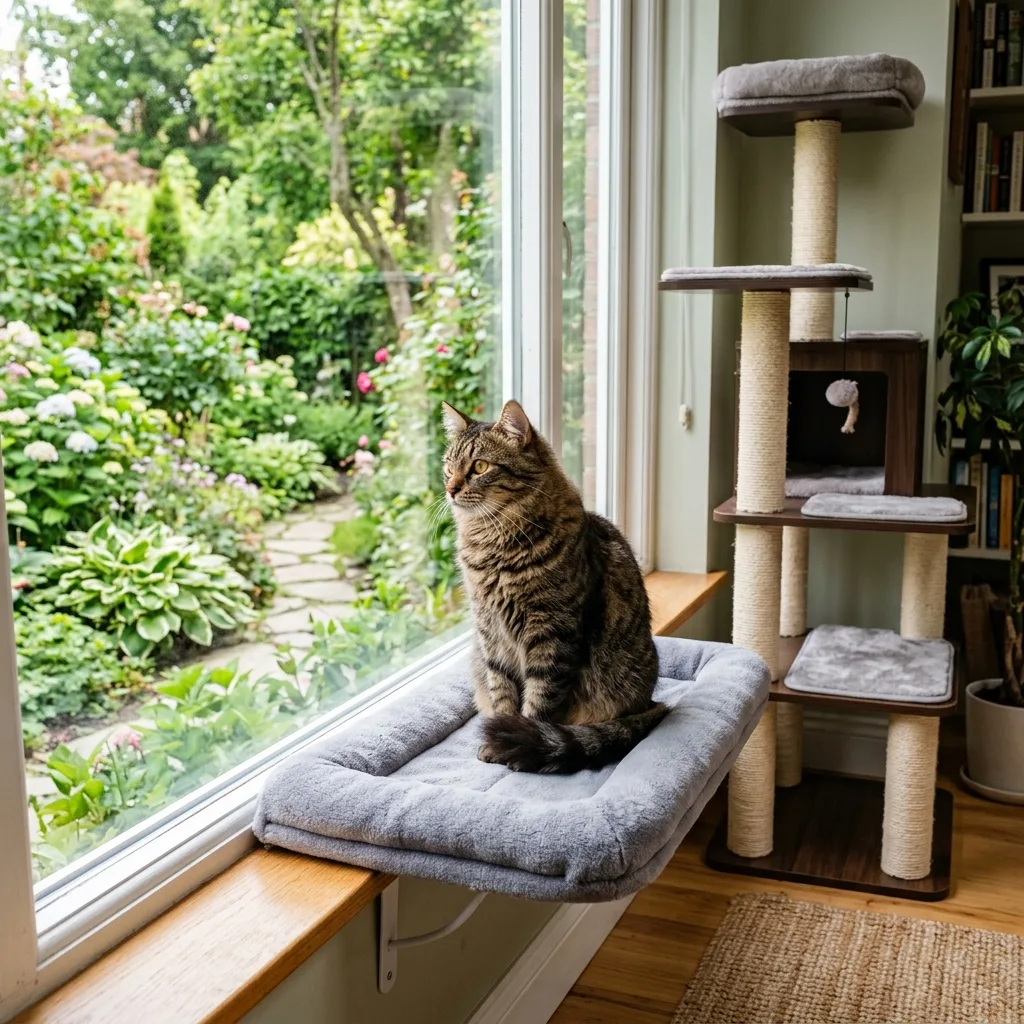
Quick answer: inside is safer. No cars, no coyotes, no fights, far fewer nasty infections, and that’s why most vets and animal welfare groups say keep cats indoors. The price you pay? An indoor cat needs you to bring the fun: more play, more climbing, more stuff to do. And if you want a compromise, catios and harness walks work well.
The risks of outdoor life
- Cars. Sadly, they’re one of the top causes of injury and death for cats who roam.
- Other animals. Dogs, coyotes, hawks and owls, and the tomcat three doors down.
- Diseases. Feline leukemia (FeLV) and feline immunodeficiency virus (FIV), usually passed along through bites.
- Hitchhikers. Fleas, ticks, worms.
- Poisons. Antifreeze, rat bait, lawn chemicals, and plants like lilies, which are seriously toxic to cats.
- Going missing, getting stolen, or getting caught out in awful weather.
There’s the wildlife side, too. Researchers estimate free-roaming cats kill billions of birds a year in the US alone. Billions.
The benefits of outdoor access
Fair’s fair, though. Cats who go outside usually get plenty of exercise and mental stimulation. Exploring, climbing, stalking things in the long grass. For a cat who’s always been allowed out, it can keep boredom away. Good news: almost all of that can be recreated safely, inside or in a secure outdoor setup.
How to keep an indoor cat happy
- Play daily. Two or three 10- to 15-minute sessions with a wand toy. Let her stalk, chase and pounce like she means it.
- Build up. Cat trees, wall shelves and window perches. Cats love being up high with a view.
- Scratch zones. Sturdy posts, and more than one, in different rooms.
- Food puzzles. Make her work for dinner a little, like a hunt. Bonus: they help cats who throw up from eating too fast.
- Cat TV. Stick a bird feeder outside a window and watch her lose her mind (in a good way) for hours.
- Hideouts and quiet corners for naps.
- Swap toys each week so nothing gets boring.
Safe ways to enjoy the outdoors
- Catios. Screened patios or window boxes. Fresh air, zero danger.
- Harness walks. Loads of cats end up loving them, especially if you start young and go at their pace.
- Garden time with you watching, in a yard that’s properly cat-proofed.
Moving an outdoor cat indoors
- Go slowly, and if you can, start in winter when she’s less keen to be out anyway.
- Pile on the play and enrichment before you close the door for good.
- Plenty of litter boxes, scratching posts and windows to look out of.
- Expect some yowling at the door. Stay patient, reward calm moments, and distract with a game.
Health tips for indoor cats
Two things to watch with indoor cats: weight and boredom. Measure meals (here’s how much wet food to feed a cat), keep up with vet checks, and trim claws, since they don’t wear down the same way inside. Our guide on how to trim cat nails makes it easier. And some breeds, like the Ragdoll, are practically built for indoor living.
Indoor vs outdoor cat FAQs
Do indoor cats live longer? Usually, yes. They avoid a lot of the stuff that shortens outdoor cats’ lives.
Isn’t keeping a cat inside cruel? Not if she gets enough play, climbing, scratching and company.
Do indoor cats still need shots? Yes. Core vaccines are still recommended. Germs can hitch a ride in on your shoes, and indoor cats do occasionally make a break for it. Your vet will guide you.
New to cats? Start with our new kitten checklist.
Want more on cat health and lifestyle? The Cornell Feline Health Center puts out vet-reviewed advice for owners. You might also enjoy our new kitten checklist and why your cat sniffs your face.
Leave a Reply