You open the back door, and instead of sniffing around or hunting for the perfect pee spot, your dog marches straight to the lawn and starts grazing like a small, furry cow. Some dogs daintily nibble the tips. Others rip into it like it’s an all-you-can-eat salad bar. If you’ve ever wondered why does my dog eat grass, and whether it means they’re sick, here’s some good news: the most common reason is also the least worrying.
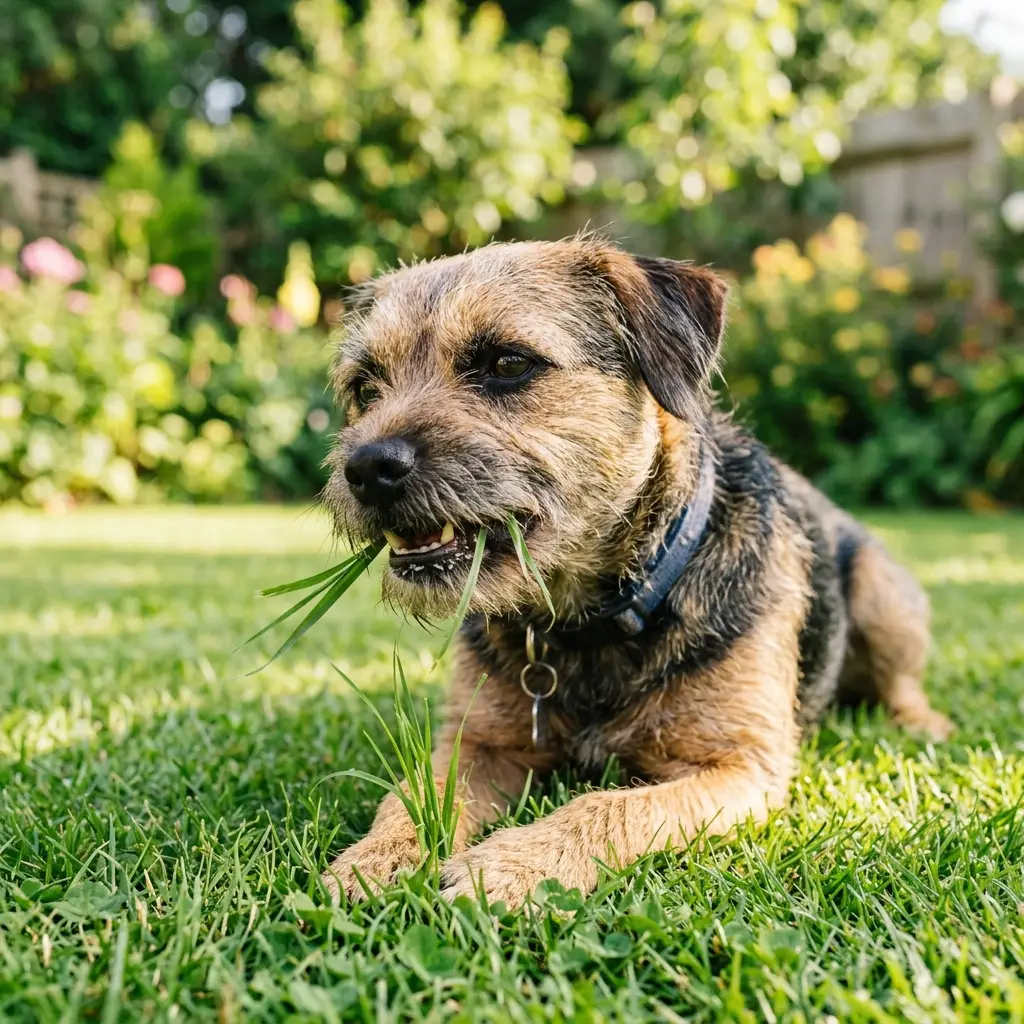
Quick answer: lots of dogs eat grass, and for most it’s completely normal. Research suggests most grass-eaters aren’t sick beforehand and don’t throw up afterward. They might like the taste or crunch, be bored, want some fiber, or just be following an old instinct. Get a vet to take a look if your dog suddenly starts eating grass like their life depends on it, vomits a lot, seems off, or has diarrhea, weight loss or a poor appetite.
What the research actually says
You’ve probably heard that dogs eat grass to make themselves sick when their stomach’s upset. The best-known study on it doesn’t really back that up. A team at the University of California, Davis, led by Karen Sueda and Benjamin Hart, surveyed owners of dogs who regularly ate plants. What they found, published in Applied Animal Behaviour Science (study abstract), surprised a lot of people:
- Eating plants, mostly grass, was really common in the dogs they looked at.
- Only a small minority (fewer than one in ten) seemed sick before eating grass.
- Only about one in five regularly threw up afterward.
- Younger dogs ate plants more often and were less likely to seem unwell first.
So for most dogs, grass eating looks like a normal thing dogs do, not a home remedy for a sore tummy. Psychologist and dog-behavior writer Stanley Coren digs into the study more on Psychology Today.
Why does my dog eat grass? The most likely reasons
1. They simply like it
New spring grass is sweet, juicy and crunchy. Plenty of dogs are surprisingly picky about it, going for young, tender shoots or one particular type and ignoring the rest. If your dog grazes slowly and looks perfectly content, they probably just like it.
2. An ancient instinct
Wolves and other wild canids have been found with plant bits in their stomachs and poop. One idea from the UC Davis team is that eating plants regularly may have helped wild ancestors push intestinal worms through the gut. Today’s dogs on routine dewormers don’t need that, but the urge may have stuck around.
3. Boredom
Stick a dog in the yard with nothing to do and they might start nibbling grass the way we raid the fridge when we’re bored. If most of the grazing happens during long, unstructured time outside, more exercise and things to do usually help.
4. Fiber and texture
Some dogs seem to eat more grass on low-fiber diets, and a few owners notice less grazing after a vet-approved switch to higher-fiber food. Grass also gives a texture kibble doesn’t. Still, most dogs on complete, balanced diets eat grass now and then, so fiber isn’t the whole explanation.
5. An upset stomach (sometimes)
For a small group of dogs, grass eating does seem tied to nausea. These dogs gulp grass fast, look restless or uncomfortable first, lick their lips, swallow a lot, and then throw up. If that sounds like your dog, pay attention to it.
6. Anxiety or attention
Some anxious dogs eat grass as a coping habit, a bit like chewing their paws. And if grass eating always sends you sprinting over, some dogs will do it more just for the attention.
Calm grazing vs. frantic grass eating
| Probably normal | Worth checking with your vet |
|---|---|
| Slow, choosy nibbling | Wolfing down big mouthfuls |
| Happens now and again, especially in spring | A new habit, or suddenly way more often |
| No vomiting, or only once in a while | Throwing up often, especially bile or foam |
| Normal appetite, energy and poop | Poor appetite, diarrhea, weight loss or low energy |
| Relaxed body language | Lip licking, drooling, restlessness or a tight belly |
Dogs who gulp grass and also lick floors, carpets or furniture may be feeling queasy or have a gut problem. We explain that link in our guide on why dogs lick so much.
Is eating grass bad for dogs?
Plain, untreated grass in small amounts is usually harmless. The real risks come from what’s on the grass, or growing next to it:
- Chemicals. Weed killers, fertilizers and pesticides can make dogs sick. Keep off freshly treated lawns, and ask neighbors or the park when they spray.
- Toxic plants. A grazing dog may sample other plants too. Sago palm, azaleas, lily of the valley, oleander and lots of bulbs are dangerous. The ASPCA’s toxic and non-toxic plant list is handy to keep bookmarked.
- Parasites. Grass soiled by other animals can carry worm eggs. Keep up with parasite prevention.
- Grass awns. Dry, barbed seed heads can get stuck in the mouth, throat or paws. More on that in our guide on foxtails in dog paws.
- Long blades. Now and then, long grass can cause gagging or get stuck halfway down, which is uncomfortable and sometimes needs help.
When to see a vet
Give your vet a call if your dog:
- Suddenly starts eating grass obsessively
- Throws up more than once or twice, or keeps vomiting over several days
- Has diarrhea, blood in their poop or vomit, or black poop
- Loses interest in food, seems tired or is losing weight
- Might have eaten chemically treated grass or a toxic plant
Grass eating plus regular vomiting can point to gastritis, a food intolerance, inflammatory bowel disease or other gut problems, and most of these are very treatable once you know what you’re dealing with. If you need a practice you can count on, see our guide on how to choose a veterinarian.
How to reduce grass eating (if you want to)
- Give them more to do outside. Games, sniffing hunts and quick training sessions in the yard beat grazing.
- Keep them on a leash in problem spots and use a happy “this way!” to steer them off.
- Teach “leave it.” It’s one of the handiest cues any dog can learn.
- Ask your vet about fiber. If your dog seems to crave roughage, your vet may suggest a food change or a safe fiber add-in.
- Grow them a safe patch. Some owners plant untreated wheatgrass or oat grass in a pot so their dog has a clean spot to munch.
- Keep the lawn chemical-free wherever your dog hangs out.
Grass eating often goes along with other everyday habits, like eating poop or scavenging on walks. Keeping a close eye helps with all of them.
Seasonal patterns owners often notice
Lots of people notice their dog grazes way more in spring. Makes sense. That’s when new grass is softest, sweetest and most tempting, kind of like the first strawberries of the year for us. By late summer, when lawns go crispy, the same dogs may lose interest, or switch to chewing sticks and leaves. If your dog’s grass habit comes and goes with the seasons and they’re otherwise healthy, that fits the idea that it’s mostly about taste and texture. It’s also a good reason to watch out for dry seed heads in summer, which are riskier than fresh green blades.
A quick diary can answer the question for you
Not sure whether it’s harmless or a sign of tummy trouble? Keep simple notes for two weeks. When did your dog eat grass, how much, how fast, what did they eat that day, and did they throw up after? Add anything out of the ordinary, like a new treat, a skipped meal or a stressful day. Patterns often jump out quickly. Some dogs only graze before breakfast. Some only after scavenging on a walk. Some only when they’re left alone in the yard. Take your notes to the vet if you go in. They make it much easier to tell a normal habit from a gut problem that needs treating.
Frequently asked questions
Why does my dog eat grass and then throw up?
Some dogs eat grass when they already feel sick, and it may help bring things up. Other times the grass itself irritates the stomach. If it happens a lot, talk to your vet about finding the cause.
Why does my dog eat grass in the morning?
An empty stomach can make some dogs a little queasy, especially dogs who tend to throw up yellow bile before breakfast. A small late-evening snack or splitting meals may help, but check with your vet first.
Why is my dog suddenly eating grass like crazy?
A sudden change like that is more likely to be tied to an upset stomach, stress or a food change. Watch for vomiting, diarrhea or changes in appetite, and call your vet if it goes on longer than a day.
Do dogs eat grass because they’re missing nutrients?
There’s not much evidence for that in dogs eating complete, balanced food. Most grass-eaters are well fed. Fiber might play a part for some, and your vet can help you figure that out.
Is it okay to let my puppy eat grass?
A nibble here and there is normal, but puppies put everything in their mouths, so make sure the area is free of chemicals, toxic plants and droppings. Keep a close eye on them.
This article is for general information and is not a substitute for advice from your veterinarian.
Leave a Reply