My mutt’s DNA test came back “Herding Group, mostly,” which explained a lot. He tries to round up my nephews at every family barbecue. So if “sporting,” “hound” and “herding” keep popping up on your feed and you’re not totally sure what they mean, I got you. The American Kennel Club has 205 breeds and splits them into seven buckets, basically by the job the dog was made for way back when. Sporting, Hound, Working, Terrier, Toy, Non-Sporting, Herding. That’s it.
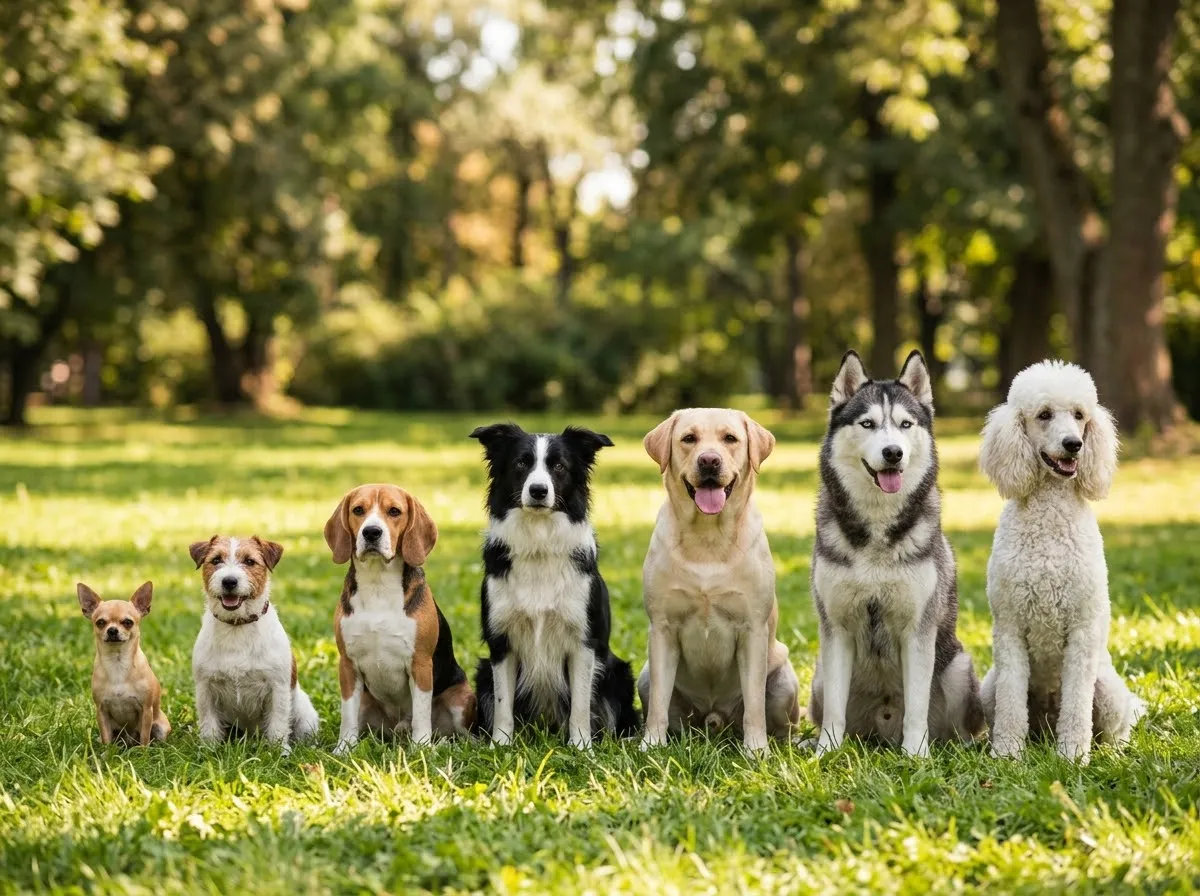
The seven AKC groups at a glance:
| Group | Original job | Examples |
|---|---|---|
| Sporting | Finding and retrieving birds for hunters | Labrador Retriever, Golden Retriever, English Springer Spaniel |
| Hound | Tracking game by scent or sight | Beagle, Basset Hound, Greyhound, Dachshund |
| Working | Guarding, pulling, rescue | Siberian Husky, Boxer, Bernese Mountain Dog |
| Terrier | Hunting rats and other vermin | Jack Russell, Airedale, Miniature Schnauzer |
| Toy | Companionship | Chihuahua, Pug, Cavalier King Charles Spaniel |
| Non-Sporting | A mix that doesn’t fit elsewhere | Poodle, French Bulldog, Dalmatian |
| Herding | Moving sheep and cattle | Border Collie, German Shepherd, Corgi |
Jump to:
What Are the AKC Dog Breed Groups?
The American Kennel Club is the largest purebred dog registry in the U.S. A dog’s group is basically its old job description. A breed made to sniff out rabbits all day goes with the hounds. A breed made to keep sheep in line goes with the herders.
The number keeps creeping up, too. Back in January 2026 three newbies got in: a scruffy little French hound called the Basset Fauve de Bretagne, the Teddy Roosevelt Terrier, and a fluffy toy dog with a mouthful of a name, the Russian Tsvetnaya Bolonka. That brought the total to 205.
Okay, but who cares if you’re not showing dogs? Honestly, you should, a bit. The group says way more about what living with the dog is like than any puppy photo. Energy, noise, grooming, how much they want a job. It’s all hiding in there.
If you live in Canada, the Canadian Kennel Club uses a very similar setup, and Australia’s national kennel council has its own seven groups with slightly different names (Gundog instead of Sporting, Utility instead of Working). The ideas carry over pretty well.
Sporting Group
Bird dogs, basically. Retrievers, pointers, setters, spaniels. Hunters used them to find ducks and pheasants, scare them up, or fetch them back, usually soaking wet and covered in burrs.
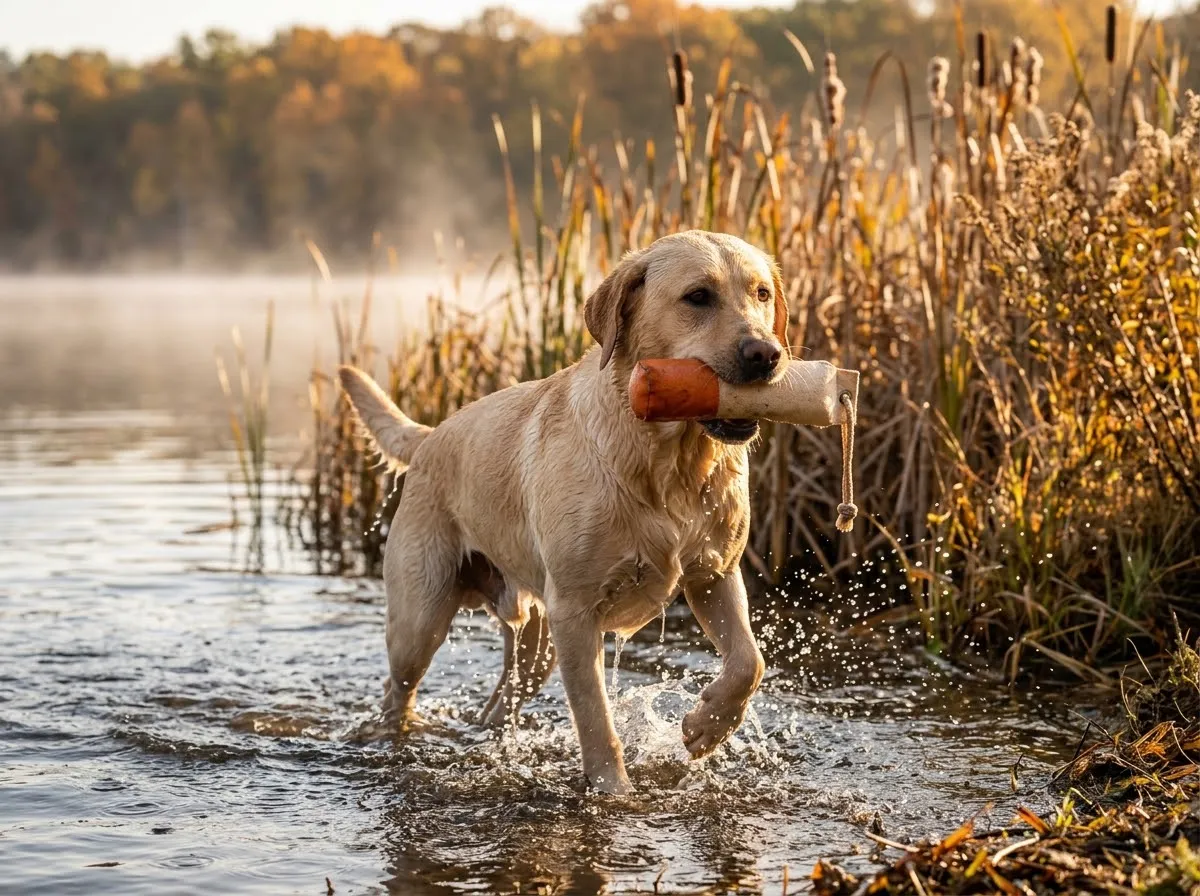
At home? Tons of energy, a fetch obsession, and a big soft heart that wants you happy. My sister’s Lab brings guests a shoe, then a sock, and one Thanksgiving, an entire loaf of bread. Gently, of course. That soft mouth is a sporting dog thing.
They need real exercise, think an hour or more a day, and they get into trouble when they’re bored. Swimming is a bonus for most of them.
- Popular sporting breeds: Labrador Retriever, Golden Retriever, German Shorthaired Pointer, English Springer Spaniel, Cocker Spaniel, Vizsla, Weimaraner, Irish Setter
Hound Group
Two flavors here. Nose dogs and eye dogs. Beagles, Bloodhounds, Bassets? Nose. They’ll follow a rabbit trail into the next county. Greyhounds, Whippets, Afghans? Eyes. They see something twitch and they’re gone, like a rocket.
If you live with a nose dog, the nose is the boss. Sorry. Recall can be tricky because a good smell will always beat you calling their name. They can also be loud. That famous baying howl? Neighbors have opinions about it. (If yours does it all the time, we wrote about why dogs howl.)
Sighthounds surprise people. They’re sprinters, not marathoners, so a lot of retired racing Greyhounds are happy couch potatoes after a short zoom.
- Popular hound breeds: Beagle, Dachshund, Basset Hound, Bloodhound, Greyhound, Whippet, Rhodesian Ridgeback, and now the Basset Fauve de Bretagne
Working Group
The big guys. These dogs guarded farms, hauled sleds and carts, and dragged people out of snowbanks and lakes. Huskies, Saint Bernards, Newfies, Boxers, Rotties, Great Danes, that crowd.
These dogs often have serious size and serious opinions. Start training early. Trust me, a 120-pound dog dragging you down the street is not the same as a 12-pound one doing it. A lot of them are happiest with a little job, even just wearing a doggy backpack on a hike.
The cold-weather ones, Huskies and Malamutes especially, can be total escape artists. If you’re curious how their thick coats compare to other breeds in winter, our guide on how cold is too cold for dogs breaks it down.
Terrier Group
Terriers chased rats, foxes and even badgers, sometimes straight down the hole after them. “Terra” is Latin for earth, so, earth dogs. That history explains their whole personality: brave, stubborn, quick and very into digging.
I love terriers, but I won’t pretend they’re easy. They’re feisty, can be a bit scrappy with other dogs, and they will dig up your tulip bulbs with total confidence. Fun, funny dogs though, with huge personalities in small bodies.
- Popular terriers: Jack Russell, Airedale, Miniature Schnauzer, Westie, Scottie, Bull Terrier, Staffordshire Bull Terrier, and the new Teddy Roosevelt Terrier
Toy Group
Lap dogs. Most were bred just to keep people company, and a few spent centuries sitting on royal laps looking fancy. Some are shrunk-down versions of bigger breeds.
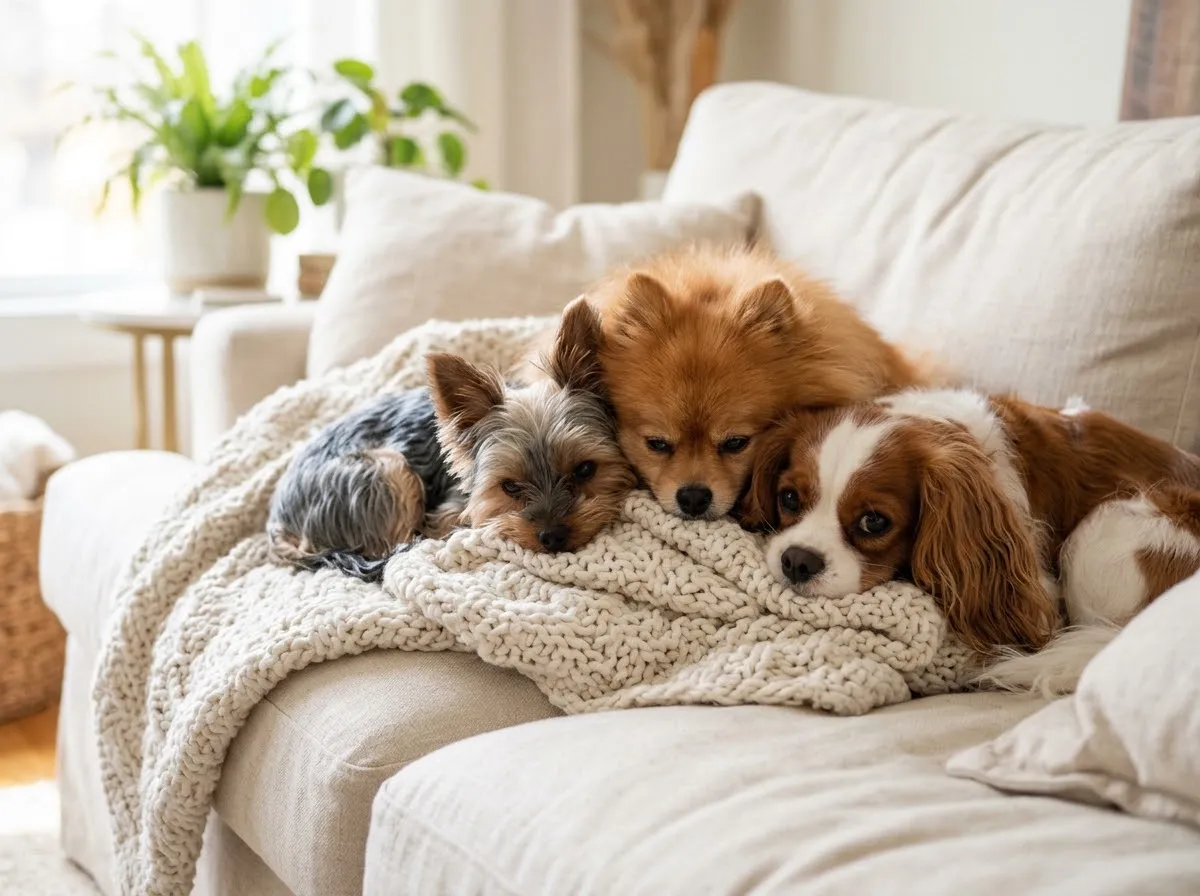
They’re great for apartments and for people who want a dog that comes everywhere. Small, but not shy. Plenty of them are bossy little managers who run the whole house. They do get chilly quick, and rough kids can hurt them without meaning to.
- Popular toy breeds: Chihuahua, Pomeranian, Pug, Yorkie, Shih Tzu, Maltese, Havanese, Cavalier King Charles Spaniel, and the new Russian Tsvetnaya Bolonka
Non-Sporting Group
This is the “everything else” group, and honestly it’s the most mixed bag of the seven. The breeds here don’t fit neatly anywhere else, or their original job doesn’t really exist anymore.
Dalmatians ran next to horse carriages. Bulldogs have a pretty grim bull-baiting past. Poodles? Water retrievers, believe it or not. Then there’s the Chow Chow, the Boston Terrier, and the Frenchie, which has been sitting at or near No. 1 on the AKC popularity list for ages.
So with this group, look breed by breed. A Shiba Inu and a Bichon share a label and that’s about all.
Herding Group
The Herding Group is the newest of the seven. They used to be lumped in with the working dogs until 1983. Their job was moving sheep and cows around, often way out in a field, listening for a whistle.
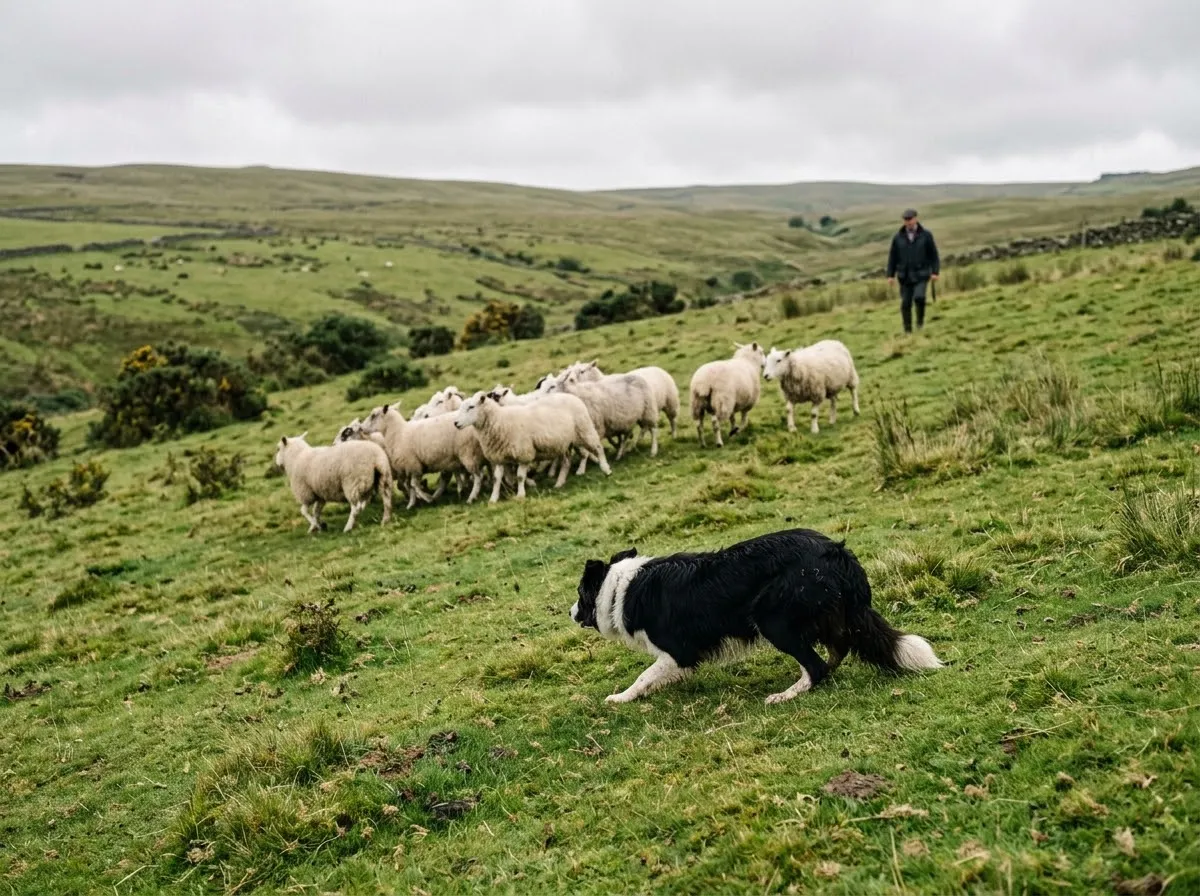
Wicked smart dogs. They need something to do. Without one, they’ll invent one. Mine “herds” the vacuum, nips at heels when the kids run, and does this low crouch-and-stare at the cat that makes the cat furious. Classic herding behavior. If yours sticks to you like glue, our piece on why your dog follows you everywhere covers that too.
- Popular herding breeds: Border Collie, Aussie Shepherd, German Shepherd, Pembroke Welsh Corgi, Sheltie, Belgian Malinois, Old English Sheepdog
Miscellaneous Class and New Breeds
New breeds don’t just walk in. First they sit in something called the Foundation Stock Service, then the Miscellaneous Class. That’s sort of a waiting room. The breed needs enough dogs, a breed club and a written standard before it can join one of the seven groups.
That’s exactly the path the three 2026 newcomers took. It can take years, sometimes decades, so when a breed finally makes it, the breed club throws a party.
How to Use Breed Groups to Pick a Dog
Groups won’t tell you everything about one particular dog, and mixed breeds like mine are their own adventure. But they’re a solid starting point if you’re shopping around.
| If you want… | Look at | Maybe skip |
|---|---|---|
| A running or hiking buddy | Sporting, Herding, some Working | Toy, flat-faced Non-Sporting breeds |
| A small apartment dog | Toy, some Non-Sporting | Herding, large Working breeds |
| A dog that’s easy to train | Sporting, Herding | Scent hounds, many terriers |
| A quieter dog | Sighthounds, some Toy breeds | Beagles, many terriers |
| A watchdog | Working, Herding | Most Toy and Sporting breeds |
My two cents: choose for the rainy Tuesday when you’re tired, not the sunny Saturday you daydream about. And meet adult dogs of the breed if you can. Puppies all look calm when they’re asleep.
AKC Dog Breed Groups FAQ
How many AKC dog breed groups are there?
There are seven: Sporting, Hound, Working, Terrier, Toy, Non-Sporting and Herding. There’s also the Miscellaneous Class for breeds that are on their way to full recognition.
How many dog breeds does the AKC recognize in 2026?
205, as of now. The last three to join, in January 2026, were the Basset Fauve de Bretagne, the Teddy Roosevelt Terrier and the Russian Tsvetnaya Bolonka.
What does “sporting dog” mean?
It’s a bird dog, one bred to help hunters find birds, flush them or fetch them. Labs, Goldens, pointers, setters and spaniels all count, and most of them have energy to burn.
What is a hound dog?
A hunting dog that works by nose, like a Beagle, or by eyes and pure speed, like a Greyhound.
Which AKC group is the newest?
Herding. It only got its own group in 1983.
Are mixed breed dogs in an AKC group?
No, groups are only for recognized purebreds. Mixed breeds can still join the AKC Canine Partners program and compete in sports like agility and obedience, and a DNA test can hint at which group your mutt takes after.
What are the 8 groups of dogs?
That’s usually the United Kennel Club, not the AKC. The UKC sorts breeds into 8 groups: Companion, Guardian, Gun Dog, Herding, Northern Breed, Scenthound, Sighthound & Pariah, and Terrier. The FCI, which most of Europe uses, has 10. Same dogs, different filing systems, which is why the lists you find online don’t always match.
What are the 7 levels of classification of a dog?
Kingdom Animalia, Phylum Chordata, Class Mammalia, Order Carnivora, Family Canidae, Genus Canis, and species Canis familiaris. A lot of scientists write it Canis lupus familiaris, treating dogs as a subspecies of the gray wolf. That science ladder has nothing to do with breed groups, by the way. Breed groups only sort dogs by the job they were bred for.
My last tip: once you know your dog’s group, give them a version of their old job. A flirt pole for a terrier, a sniff walk for a hound, a fetch session for a retriever. You’ll be amazed how much calmer they are afterward.
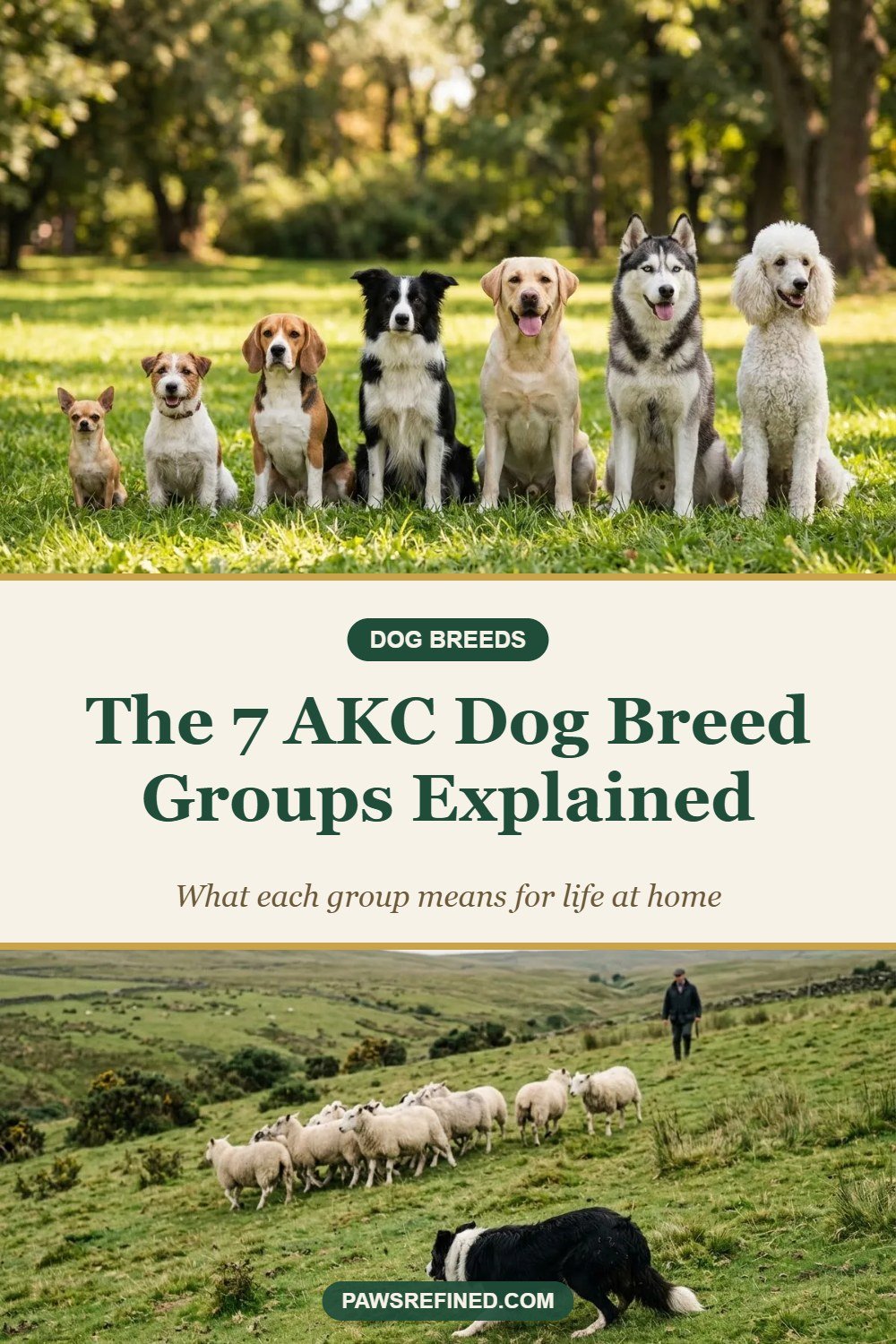
If this helped, save it to your Pinterest board for later, and tell me in the comments which group your dog belongs to. Mine’s definitely a herder.
Leave a Reply