If you’ve ever owned a Lab that wouldn’t stop bringing you tennis balls, congrats, you already know the sporting dog group. You just didn’t have the label for it.
The AKC sorts breeds into seven groups, and the Sporting Group is the one built around hunting birds with people. Not chasing them down solo like hounds do. Working with a hunter. Finding the bird, pointing it, flushing it, or bringing it back once it’s down. That teamwork history is why these dogs are so eager to please, and also why a lot of them will drive you a little crazy if they get bored.
Here’s the whole group, how the types differ, and what living with one is actually like.
What is the sporting dog group?
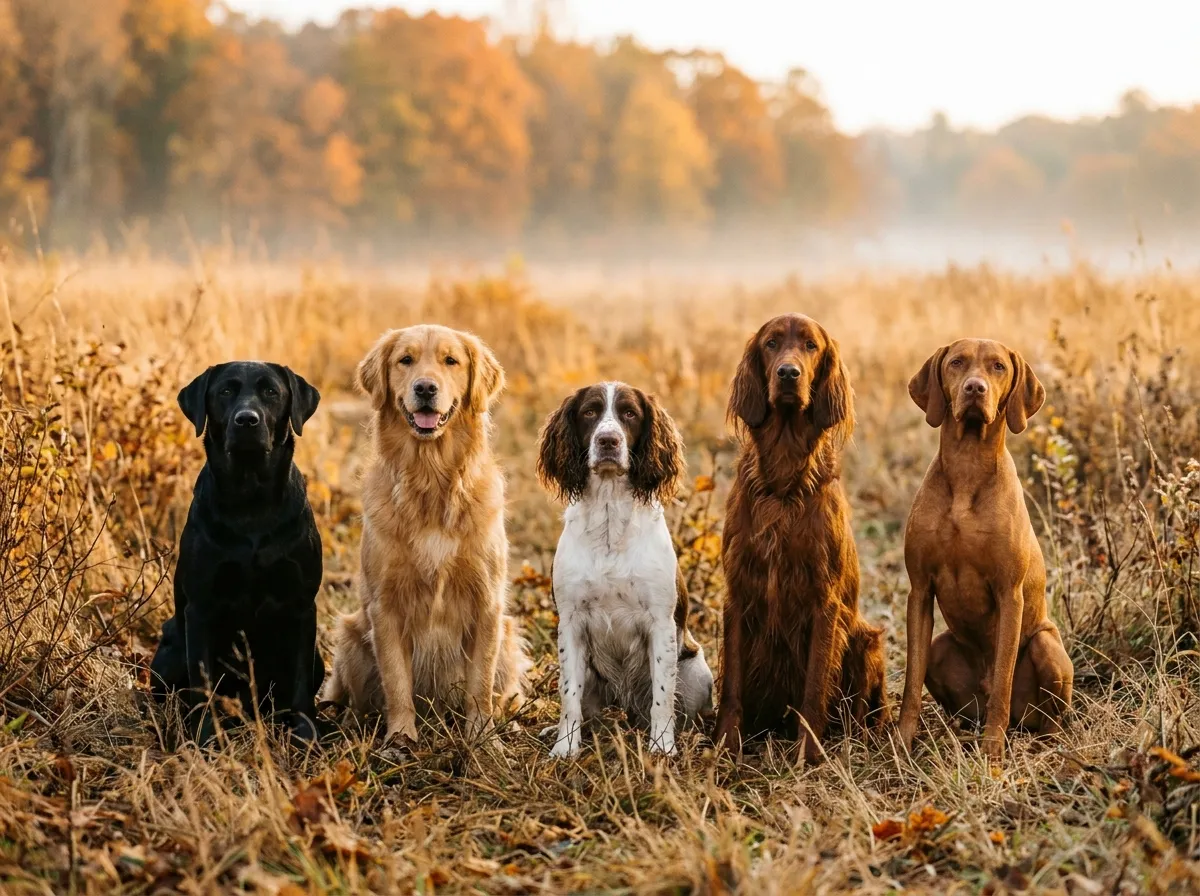
So the AKC has seven groups total, and this is one. Hound, Working, Terrier, Toy, Non-Sporting and Herding are the rest. Sporting dogs were made for bird hunting. Pheasant and quail in fields, ducks on the water, that kind of thing.
Inside the group, the dogs kind of have different job titles:
- Pointers and setters sniff out a bird, then freeze. Nose pointed right at it. The hunter walks up, bird flies, done.
- Spaniels stay close, push through the bushes and scare the birds up. Then most of them go fetch too.
- Retrievers wait. Bird drops, they go get it, freezing lake in November or not.
- Versatile breeds? A bit of all of it.
Already read our AKC dog breed groups post? Cool, this is the deep dive on the first one on that list.
Lots of these breeds date back two, three hundred years. Better guns, more bird hunting in Britain and Europe, and suddenly people got really picky about their dogs. They wanted one that would run wide and then stop dead still. Or one that’d sit quietly in a boat for an hour and then launch into icy water. So breeders got super specific, which is how you end up with a Clumber Spaniel, low and heavy for thick brush, next to a Pointer that’s all legs and built for open fields.
All 33 sporting group breeds (AKC list)
As of right now the AKC lists 33 breeds in the Sporting Group. I split them up by type below, because one long list of 33 names is miserable to read.
Retrievers
Chesapeake Bay, Curly-Coated, Flat-Coated, Golden, Labrador, and the Nova Scotia Duck Tolling Retriever (everyone just says Toller, thank god).
Spaniels
American Water, Boykin, Clumber, Cocker, English Cocker, English Springer, Field, Irish Water, Sussex and Welsh Springer. Ten spaniels. That’s a lot of ears.
Pointers and setters
English Setter, Gordon Setter, Irish Red and White Setter, Irish Setter, and the Pointer. (You’ll hear English Pointer a lot. Same dog.)
Versatile and pointing breeds
Bracco Italiano, Brittany, German Shorthaired Pointer, German Wirehaired Pointer, Spinone Italiano, Vizsla, Weimaraner, Wirehaired Pointing Griffon and Wirehaired Vizsla. Basically the do-it-all crew.
Water dogs and the odd ones out
Barbet, Lagotto Romagnolo and Nederlandse Kooikerhondje.
That last little bunch is fun. The Barbet is a shaggy French water dog. The Lagotto is the Italian truffle hunter, so yes, a “sporting” dog that now mostly hunts fungus. Then there’s the Kooikerhondje. Dutch. Its whole job was waving a big fluffy tail so curious ducks would swim into a trap. Real thing, look it up.
The Westminster 2026 sporting group winner
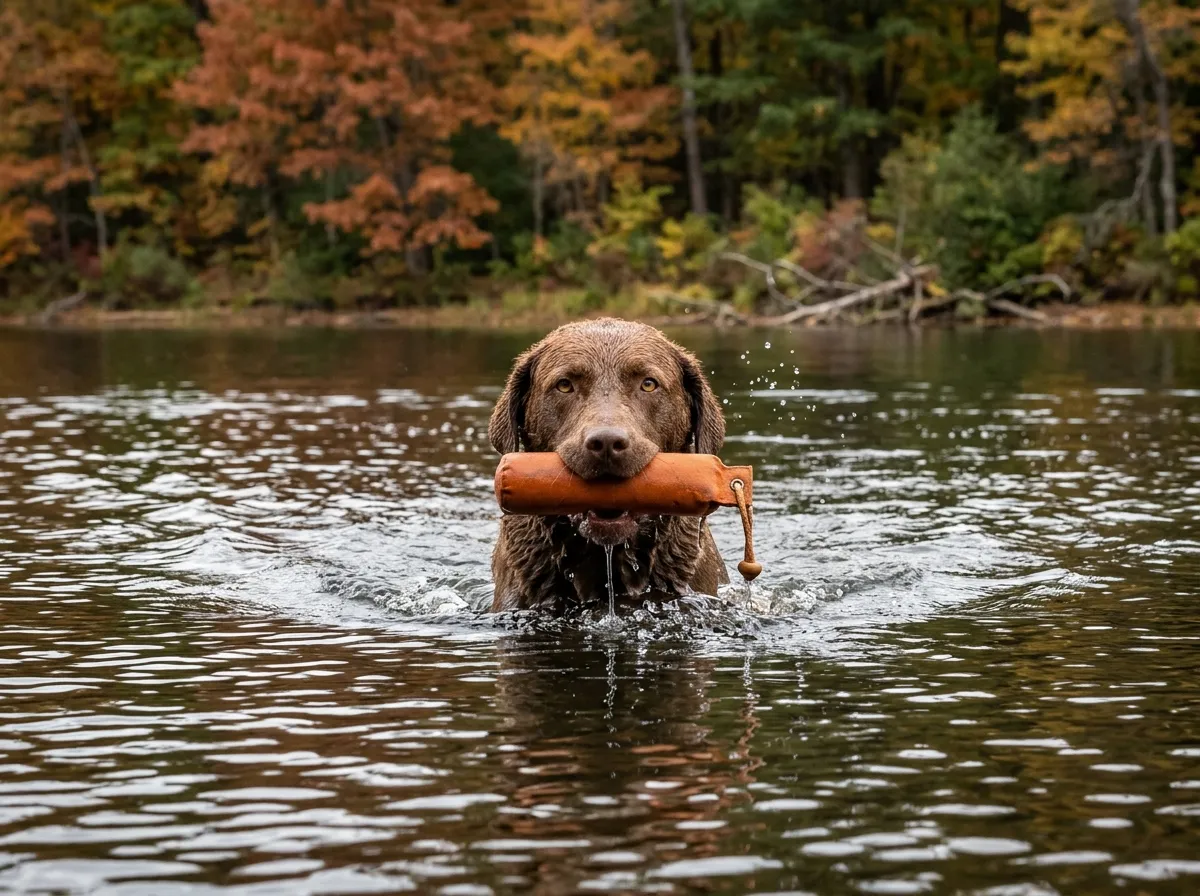
At Westminster this year, the Sporting Group went to a Chesapeake Bay Retriever named Cota. Chessies don’t win that often, so it was a nice moment for a breed that tends to get overshadowed by its Lab and Golden cousins.
Next up on TV is the National Dog Show on Thanksgiving Day. If you’re watching, the Sporting Group is usually one of the deepest, since so many of the breeds are popular family dogs.
Sporting group vs gundog group: same idea, different name
If you’re in the UK, you’ll know this group as the Gundog group from The Kennel Club. Mostly the same breeds, with the same jobs. The FCI, which is the big international one, cuts it up again. Group 7 is pointing dogs. Group 8 is retrievers, flushers and water dogs.
That’s why a breed can look “misfiled” on a European site. It isn’t. Same dog, different filing system.
What sporting dogs are like at home
Here’s the honest version, from someone who’s watched friends find out the hard way.
They need a lot of exercise. And I mean a lot. Walking a young Pointer or Vizsla around the block is like giving a toddler one grape. Aim for an hour plus a day, with running or swimming in there somewhere. Tired sporting dog, sweet dog. Bored one? Say bye to the couch.
They’re super trainable. These breeds were made to take direction from a person in the field, so most of them love training, food, praise, all of it. That makes them great first dogs for active people.
They’re usually great with kids and other dogs. Friendly is kind of their default. Some of the more intense pointing breeds can be a lot for small kids just because of energy, not temper.
They love water. Puddle, pond, muddy ditch, kiddie pool. If it’s wet, most retrievers and spaniels will find it. Towels by the door, always. And for winter swims, check our guide on how cold is too cold for dogs.
They shed. Labs, Goldens, setters, spaniels. Some of them shed a lot. If you want lower shedding, look at the Barbet, Lagotto or Irish Water Spaniel, which have curly coats.
Easy ways to give a sporting dog a “job”
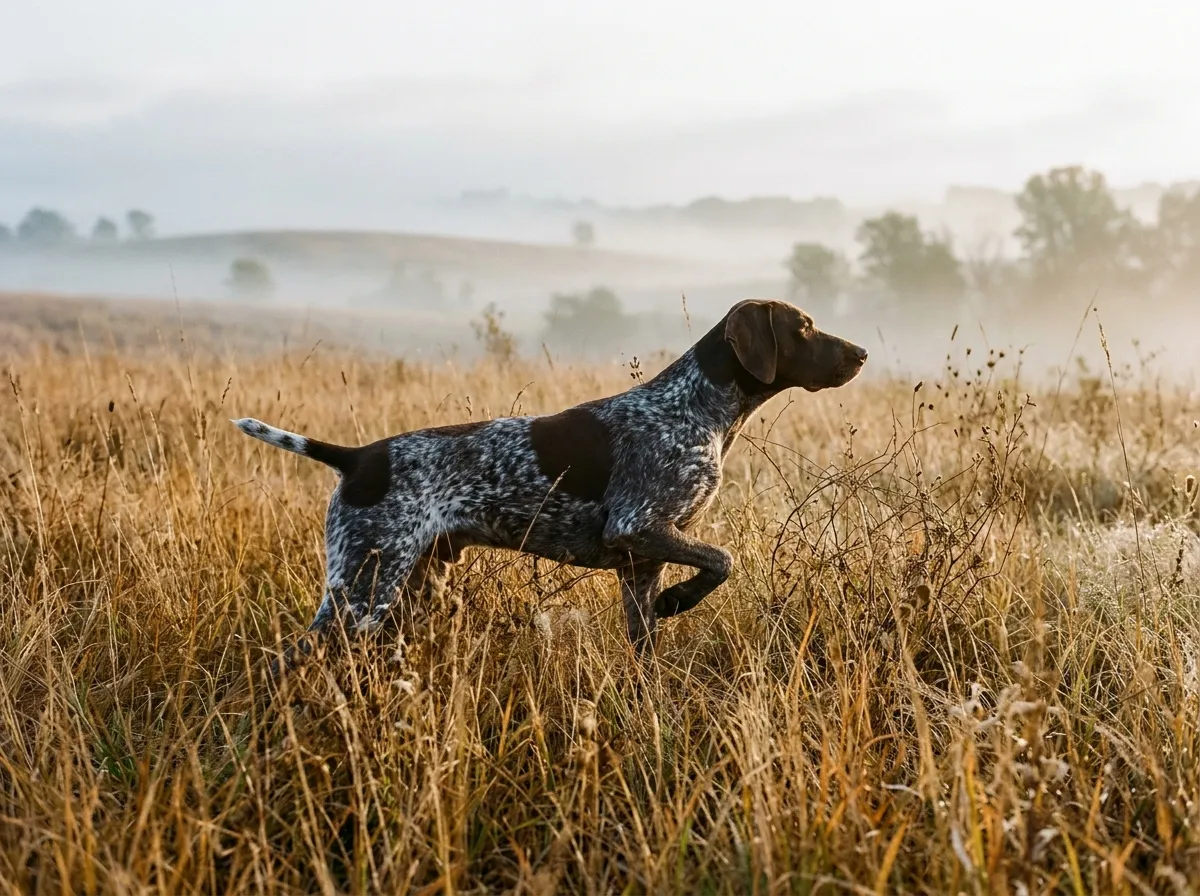
You don’t need to hunt. Most owners don’t. What these dogs need is something that scratches the same itch, and there are lots of options.
- Fetch, but make it harder. Hide the ball in tall grass and send them to find it. That’s basically a retrieve.
- Scent games. Stash a few treats around the yard and let the nose do the work. Pointing breeds love this.
- Dock diving. Retrievers jumping off a dock into a pool, for distance. Yes it’s a real sport. Yes it’s hilarious.
- AKC hunt tests. They’re pass/fail, not a competition, and it’s kind of amazing watching instinct kick in even if you’ve never held a shotgun.
- Swimming and off-leash hikes, where that’s allowed and safe. Water wipes them out better than anything.
Fifteen minutes of “work” on top of the daily walk and you’ll probably notice a calmer dog at night. Weirdly fast, too.
Health stuff to know before you pick one
Every breed has its own stuff. But in this group a few things keep popping up.
- Hips and elbows. Big retrievers and pointers get dysplasia a lot. Before you buy a puppy, ask to see OFA or PennHIP results for mom and dad. A good breeder won’t mind.
- Ears. Floppy ears plus swimming equals gunk. Spaniels are the worst for it. Dry them after every swim, I’m serious.
- Bloat (GDV). Weimaraners, setters, GSPs, any dog with a deep chest. Belly suddenly swells, dog keeps trying to throw up and nothing comes out, can’t settle? That’s a get-in-the-car-now situation.
- Getting chubby. Labs and Goldens would eat the fridge if you let them. Extra weight wrecks their joints over time.
Which sporting breed fits your life?
Okay, totally unscientific, but here’s where I’d start:
- Got kids? Lab, Golden, Cocker Spaniel.
- You run or hike a lot? Vizsla, GSP, Brittany. They’ll outlast you.
- Apartment, but you walk daily? Cocker, English Cocker, Boykin.
- Hate dog hair? Lagotto, Barbet, Irish Water Spaniel.
- Live somewhere cold and wet? Chessie, or a Curly-Coated Retriever.
- Want the dog nobody else at the park has? Kooikerhondje, Sussex Spaniel, Wirehaired Vizsla.
Oh, and one tip whichever you go with: meet the parents if you can, and ask the breeder what their dogs really do all day. Field line and show line Pointers? Practically different dogs.
Sporting Dog Group FAQ
What dogs are in the sporting group?
Bird dogs, basically. 33 breeds on the AKC list right now. Labs, Goldens, Cockers, setters, pointers, Vizslas, Weimaraners, and a handful of rare ones you’ve maybe never seen.
What is the most popular sporting dog?
The Lab, easily. It sat at number one in the US for about 30 years straight, and Goldens are never far behind.
Are sporting dogs good family dogs?
Most are, yeah. Super friendly, love people, pick up training fast. The catch is exercise. Skip that and you’ll feel it.
What’s the difference between sporting and hound dogs?
Hounds kind of do their own thing. They follow a scent or chase what they see. Sporting dogs check back with you, and that’s the big reason they’re easier to train.
What is the smallest sporting dog?
The American Cocker Spaniel. Usually somewhere around 13.5 to 15.5 inches at the shoulder.
Is a Poodle a sporting dog?
Nope, funny enough. Poodles started out fetching ducks from water, but the AKC files Standard and Miniature Poodles under Non-Sporting and the Toy Poodle under Toy.
One last thing
If there’s one thing that ties all 33 sporting breeds together, it’s that they want a job, and they want to do it with you. Give them that, even if the job is just fetching a ball at the park, and you’ll have one of the happiest dogs on the block.
Leave a Reply