Sometimes it’s a frantic whine at the back door at 3 a.m. Sometimes it’s a nasty surprise waiting on the carpet when you get home. Either way, you’re not alone. Loose stool is one of the top reasons people bring their dog to the vet, and in most dogs it’s gone in a day or two. Every so often, though, it’s the first sign of something bigger, and puppies, older dogs and dogs with other symptoms need more care. So if you’re wondering why does my dog have diarrhea, here’s how to figure out what’s probably going on, what you can do at home, and when to call in the pros.
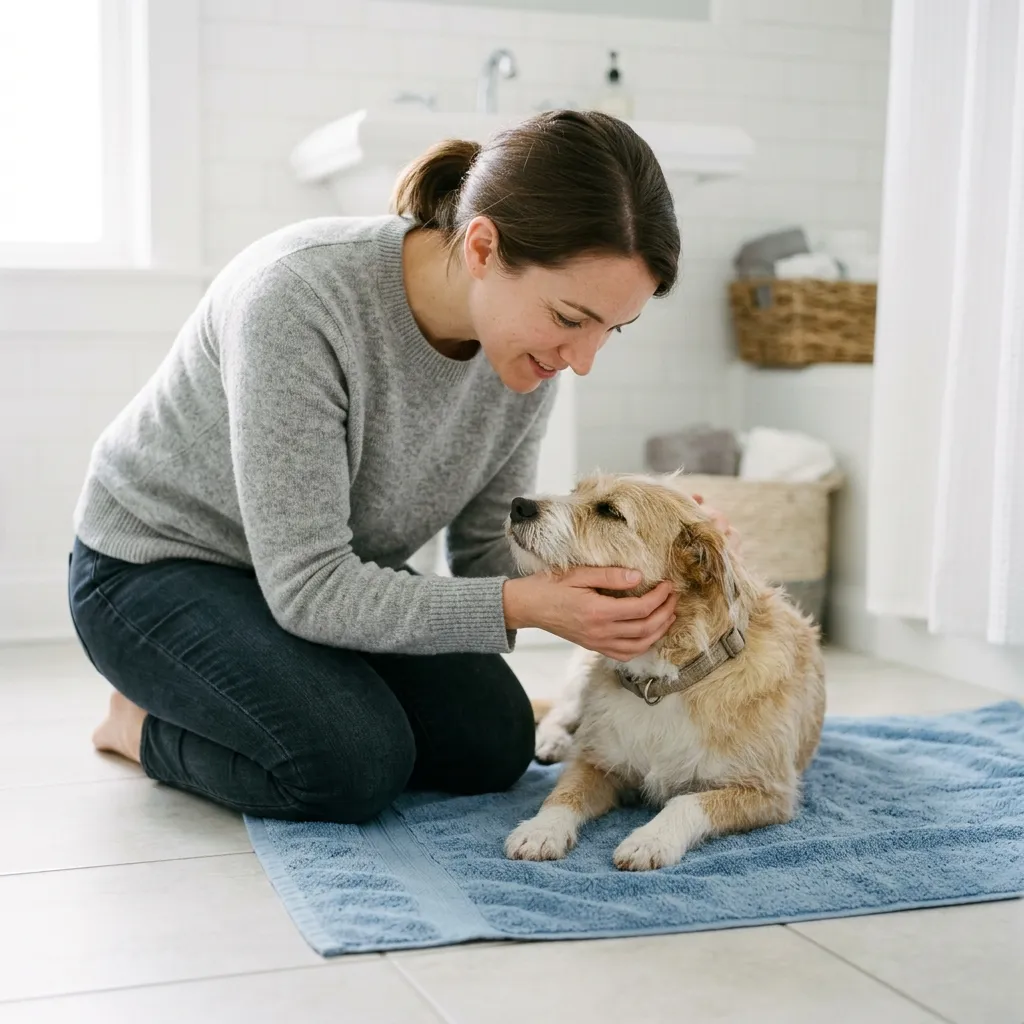
Quick answer: in a grown dog, a short bout of diarrhea usually comes down to something they ate, a quick food switch, stress, or a mild bug. Most dogs are back to normal within a day or two with rest, water and bland food. Don’t wait on it if your dog is a puppy or a senior, or if you see blood, black tarry poop, vomiting, a dog who’s lethargic, sore or feverish, a dog who won’t eat or drink, or diarrhea that’s still going after two days.
Why does my dog have diarrhea? Common causes
1. Dietary indiscretion (“garbage gut”)
This is the big one. Dogs will eat the trash, leftovers, rich treats, dead things, compost, bones, you name it. Their gut often decides it wants none of it and flushes everything out as fast as it can.
2. Sudden food changes
Changing food overnight can throw off the bacteria living in your dog’s gut. That’s why vets tell you to switch slowly, over 7 to 10 days, mixing a bit more new food into the old each day.
3. Stress
Kennel stays, trips, moving house, houseguests, fireworks, a new cat. Any of these can set off stress colitis. You’ll often see soft poop with mucus, and now and then a streak of fresh red blood. Once life calms down, the gut usually does too.
4. Parasites
Roundworms, hookworms, whipworms, Giardia and coccidia all cause diarrhea, and they’re especially common in puppies, rescues, and dogs who can’t resist drinking from puddles or creeks. You can’t tell by looking. A stool test is the only way to know for sure.
5. Viral and bacterial infections
Parvo is the one you really don’t want. It’s a virus that mostly hits puppies who aren’t vaccinated, and it causes heavy, often bloody diarrhea plus vomiting. It can be fatal. Other infections cause diarrhea too, including bacteria that dogs pick up from raw food or dirty water.
6. Food intolerance or allergy
Some dogs don’t get along with certain ingredients, usually a protein like chicken or beef. You’ll see soft poop that never quite firms up, a lot of gas, and sometimes itchy skin too. If your dog is also chewing at their feet, our guide on dog paw allergies explains how the two are connected.
7. Medications and toxins
Antibiotics and a few other medications are known for upsetting the gut. Toxins can too, like some plants, xylitol, chocolate, grapes and household chemicals, and those usually bring other, scarier symptoms along with them.
8. Underlying disease
When diarrhea keeps coming back, it can be tied to inflammatory bowel disease, pancreatitis, exocrine pancreatic insufficiency (the pancreas not making enough digestive enzymes), liver or kidney disease, hormone problems, or less commonly cancer. These need a proper look from your vet.
What your dog’s stool can tell you
| What you see | What it may suggest |
|---|---|
| Watery, frequent stools | Small intestine upset, infection or dietary indiscretion |
| Soft stool with mucus, straining, small amounts often | Large bowel inflammation (colitis), often from stress or diet |
| Red streaks of fresh blood | Irritation in the lower bowel; often mild, but check if it persists |
| Black, tarry stool | Possible bleeding higher in the gut; call your vet promptly |
| Yellow or greasy stool | Fast transit, or problems digesting fat |
| Grey, large, fatty stools | Possible digestion or pancreas problem |
If you can, grab a quick photo. Not fun, we know, but your vet will find it really useful.
What the latest guidelines say about antibiotics
For a long time, lots of dogs with an ordinary case of the runs went home with antibiotics like metronidazole. That’s shifting. In 2024, a European group of vet experts called ENOVAT (the European Network for Optimization of Veterinary Antimicrobial Therapy) published guidelines in The Veterinary Journal saying antibiotics should not be used for most cases of sudden diarrhea in dogs, unless the dog is seriously ill, for example with sepsis (read the guidelines). The research suggests most dogs get better just as fast without them. And giving antibiotics when they aren’t needed can mess with the good gut bacteria and feeds antibiotic resistance.
So if your vet sends you home with fluids, a gentle diet and maybe a probiotic instead of a course of pills, that’s not them cutting corners. It means they’re keeping up with the latest advice.
Safe home care for mild diarrhea in adult dogs
If your adult dog is alert, drinking, not throwing up, and there’s no blood or black poop, it’s usually fine to try some gentle care at home for a day or so:
- Keep fresh water out all the time. Dehydration is the real danger here.
- Think about a short food break of up to 12 hours, for adult dogs only and if your vet’s on board. Don’t do this with puppies, toy breeds or diabetic dogs.
- Feed a bland diet in small meals throughout the day. Plain boiled chicken or lean turkey (no skin, no bones, no seasoning) with plain white rice works, or a gut-friendly diet from your vet.
- Try a spoonful of plain canned pumpkin (not the pie filling) for extra fiber, if your vet agrees. Our guide on whether dogs can eat pumpkin has safe amounts.
- Ask your vet about a probiotic made for dogs.
- Go back to normal food slowly over three to five days once things firm up.
- Keep a few notes about how often they go, what it looks like, and when they last ate and drank.
Leave the human anti-diarrhea meds in the cabinet unless your vet says otherwise. Some aren’t safe for certain breeds, and they can hide signs of something serious.
When to see a vet
Ring your vet the same day if your dog:
- Is a puppy, an older dog, or has an ongoing health problem
- Has blood in the poop, black tarry poop, or is vomiting blood
- Is throwing up, especially more than once
- Seems weak, down, sore, or has a swollen tummy
- Won’t eat or drink, or looks dehydrated (dry gums, sunken eyes)
- Might have eaten something poisonous or swallowed an object
- Has had diarrhea for more than 48 hours, or it keeps coming back
A puppy with diarrhea who hasn’t finished their vaccines should always be seen quickly, because parvo is a real risk. Don’t have a vet yet? Our guide on how to choose a veterinarian can help.
How vets investigate diarrhea
For a first, mild episode, your vet might just examine your dog and send you home with supportive care. If it’s worse or keeps happening, expect things like a stool test for parasites, bloodwork, X-rays or an ultrasound, a pancreatitis test, and sometimes a food trial or gut biopsies. Bringing a fresh poop sample saves time.
How to prevent diarrhea
- Switch foods slowly, over a week at least.
- Keep bins, compost and plates of leftovers where your dog can’t get them.
- Keep up with vaccines, deworming and parasite prevention.
- Skip the sudden rich treats, fatty scraps and cooked bones.
- Watch what your dog snuffles up on walks. Our guides on dogs eating poop and dogs eating grass have some tips.
- If you know a stressful event is coming, like boarding or a trip, plan for it.
How to check your dog for dehydration
Diarrhea drains water from the body fast, so a few quick checks at home are handy. They don’t replace a vet exam, but they’ll help you judge how urgent things are:
- Gums: they should feel wet and slick. Dry or sticky gums point to dehydration.
- Capillary refill: press a finger on the gum until the spot goes pale, then let go. The pink should come back in about two seconds.
- Skin tent: gently pinch up the skin between the shoulder blades and let it drop. It should snap right back. If it’s slow, your dog may be dehydrated, though this check isn’t as reliable in old or very thin dogs.
- Eyes and energy: sunken eyes, weakness or a dog who’s suddenly wiped out are red flags.
Notice any of these, or your dog just won’t drink? Call your vet today. Little dogs and puppies can dry out very quickly.
Collecting a stool sample for your vet
A fresh sample means quicker, more accurate tests. Grab a clean plastic bag or pot, scoop up about a teaspoon from the freshest part, seal it and write the time on it. Keep it cool (don’t freeze it) and try to get it to the clinic within a few hours. If it’s really watery, a clean plastic spoon and a small lidded container do the job.
Frequently asked questions
Why does my dog have diarrhea but is acting normal?
Plenty of mild cases, usually from something they ate, just mean loose poop and nothing else. Watch your dog, keep water available and feed bland food. If it’s still going after a day or two, or anything else crops up, call your vet.
Why does my dog have diarrhea at night?
Diarrhea at night often ties back to colitis, stress, dinner being served late, or something odd they ate. If it keeps happening, talk to your vet about meal times and what you’re feeding.
Can I give my dog rice for diarrhea?
Yes, plain white rice, usually with boiled lean chicken, is a go-to bland meal for a few days. It’s not balanced enough to feed long term, so use it just while you ease back onto regular food.
How long does dog diarrhea last?
Simple cases usually get better within one to three days. If it drags on longer, or keeps coming back, it’s time for a vet visit.
Is diarrhea in dogs contagious to people?
Some of the causes, including certain parasites and bacteria, can pass to people. Wash your hands well after cleanup, and keep the kids away from the area.
This article is for general information and is not a substitute for advice from your veterinarian.
Leave a Reply