It creeps up on you. A little extra foot licking after walks. Some nibbling between the toes at bedtime. Then one day you look down and the fur on those paws has gone a rusty pink. Sound familiar? Then dog paw allergies are the most likely reason. Allergies are the number one cause of itchy, red, over-licked dog feet. You usually can’t cure them. But you can almost always get them under control so your dog feels good again.
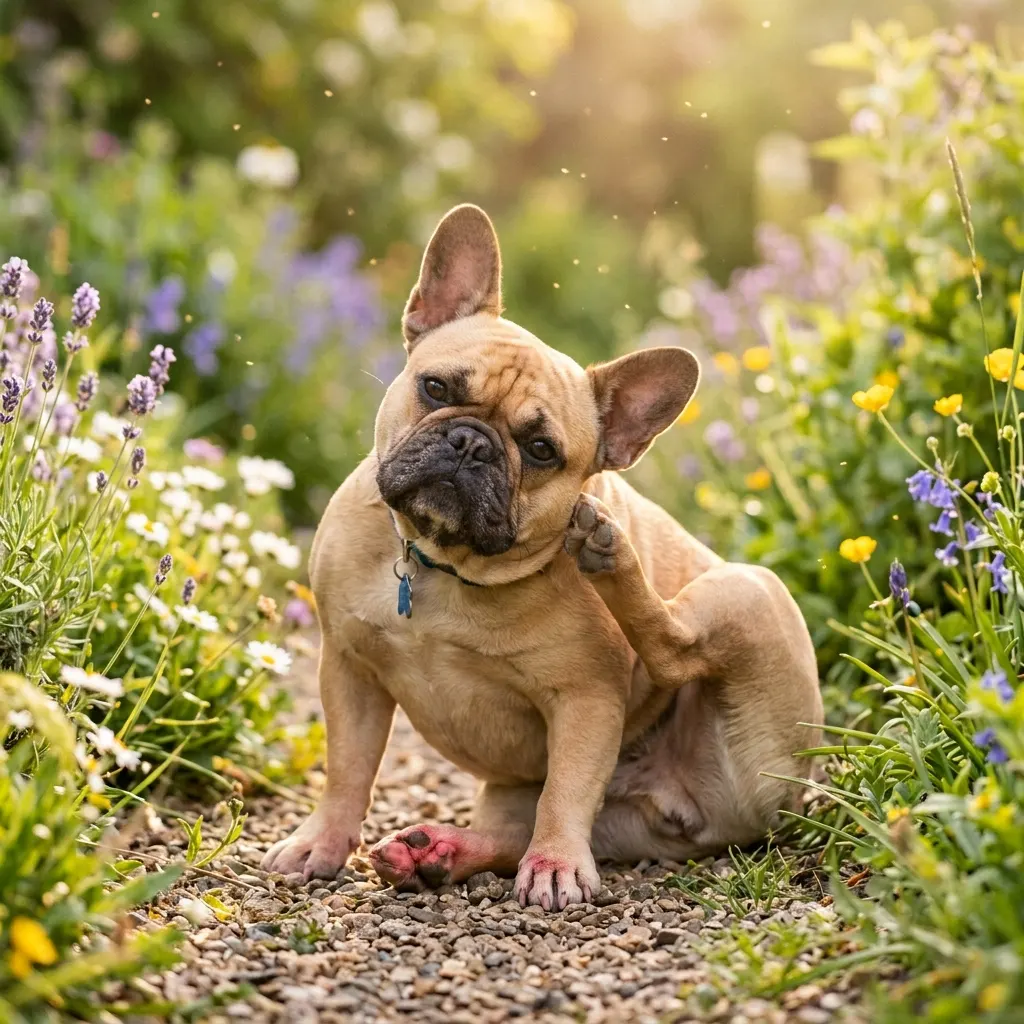
Quick answer: three main triggers. Stuff in the environment (pollen, grass, dust mites, mold), proteins in food, or flea bites. Watch for itchy paws, licking and chewing, red skin between the toes, reddish saliva stains and yeast or bacterial infections that keep coming back. Your vet can pin down the cause and offer anti-itch treatment that really works. At home, small things like wiping paws after walks help more than you’d think.
Why allergies show up in the paws
Here’s what’s going on inside. The immune system spots something totally harmless, like pollen, and panics. Out come the chemicals that make skin itch and flare. In dogs, the itch loves a few favorite spots: paws, ears, face, armpits, tummy and bum. Paws get it worst. Think about it. They’re dragging through pollen, grass and dust all day, and the skin between the toes is warm, tender and easy to annoy.
And then? Lick, lick, lick. Which only makes things worse. Saliva keeps the skin soggy, the protective layer gives way, and yeast and bacteria move in like squatters. So a lot of allergic dogs end up with infection after infection. Fix the allergy, and you break the cycle.
Signs of itchy paws in dogs
- Licking, chewing or nibbling at the feet a lot, usually worse in the evening
- Red or pink skin between the toes and under the paws
- Rusty-brown or pink stains on light-colored fur
- Puffy toes or swollen skin between the pads
- A greasy feel or a yeasty, musty smell
- Hair loss, or darker, thicker skin if it’s been going on a while
- Itching in other spots too: ears, face, armpits, belly or backside
- Ear infections that won’t stay gone
If your dog ticks several of these boxes, especially on more than one paw, allergies should be near the top of the list. For more on the licking itself, read our guide on why dogs keep licking their paws.
The main types of paw allergies in dogs
1. Environmental allergies (atopic dermatitis)
Environmental allergy (the fancy name is atopic dermatitis) is the most common kind by far. These dogs react to what’s floating around them: pollen from trees, grass and weeds, dust mites, mold spores, sometimes dander. It’s largely genetic and usually starts early, somewhere between six months and three years old. At first it might only flare in spring or summer. Give it a few years and it can go year-round. The Merck Veterinary Manual lists the paws, face, ears and belly as the usual targets.
Some breeds are more prone to it, including Westies, French and English Bulldogs, Labs and Goldens, Boxers, German Shepherds and Shar-Peis. That said, any dog can get it.
2. Food allergies
Food allergies are rarer than the environmental kind, but good luck telling them apart by looking. One clue: the itch doesn’t care what season it is. Some dogs also have looser poop, more trips outside, or the odd vomit. The usual triggers are proteins your dog has eaten for years, like beef, chicken, dairy, egg or wheat. And grains? Much less likely to be the problem than the pet food ads suggest.
3. Flea allergy dermatitis
Some dogs are so sensitive that one flea bite means days of scratching. Flea allergy mostly goes for the lower back, the base of the tail and the back legs, but a dog that itchy will chew on anything, paws included. The easy fix is flea prevention all year round. Always rule fleas out first.
4. Contact reactions
Real contact allergies don’t happen often. Contact irritation happens all the time. Weed killer on the lawn, fertilizer, harsh floor cleaners, carpet powder, road salt in winter. Any of these can turn paws red and sore within hours. Timing is the giveaway: the redness shows up on the parts that touched the ground, shortly after. Our guide on why a dog’s paws turn red explains how to tell irritation from allergies.
How vets diagnose paw allergies
Wish there was a single test that said “allergy, done”? So do vets. Instead they work through it like detectives, crossing things off one at a time. It can feel slow. It’s also the surest way to end up with a plan that works:
- Check for parasites. Fleas and mites get ruled out first, sometimes with a skin scraping.
- Look for infection. A quick tape or swab sample shows whether yeast or bacteria are adding to the itch. Those get treated first, since infection alone can keep a dog scratching. See our guide to dog paw yeast infections for what that involves.
- Try an elimination diet. If food allergy’s a possibility, your vet will suggest a strict diet with a hydrolyzed or novel protein for about eight weeks or more. Nothing else during the trial, and that means no treats or flavored medicines either.
- Consider environmental allergies. Once everything else is ruled out, it’s usually environmental allergy. Skin or blood allergy tests can then pin down specific triggers if you want to try allergy shots or drops.
Treatment options for dog paw allergies
Most allergic dogs do best on a combo of treatments that gets adjusted as the seasons change. VCA Animal Hospitals puts it plainly: the goal is to control the itch and head off flare-ups, not to cure the allergy. Your vet might suggest:
- Modern anti-itch medications, like daily tablets or monthly injections that switch off the itch signal directly. Lots of dogs feel better within a day or two.
- Short courses of steroids for bad flare-ups, used carefully because of side effects with long-term use.
- Allergy immunotherapy, as injections or oral drops, which slowly teaches the immune system to calm down. It takes months to kick in but can cut the need for other meds.
- Medicated shampoos, wipes and sprays to soothe the skin, wash off allergens and keep yeast and bacteria in check.
- Treating secondary infections with antifungal or antibiotic products when needed. Our guide to dog paw infections explains the options.
- Skin-support supplements, like omega-3 fatty acids, which help some dogs as part of a bigger plan.
- A long-term food change if a food allergy is confirmed.
Hold off on the human antihistamines unless your vet says yes. Dog doses aren’t the same as ours, and some human allergy products contain decongestants or xylitol, which can be really dangerous for dogs.
Home relief for itchy paws in dogs
Home habits won’t replace real treatment. They can, though, knock the itch down a notch, especially when pollen’s high:
- Wipe or rinse paws after every walk. Plain lukewarm water or a vet-approved pet wipe gets rid of pollen and grass residue. Then dry well between the toes.
- Bathe on a sensible schedule. Regular baths with a gentle or medicated shampoo wash allergens out of the coat. Our guide on how often you should bathe a dog helps you find the right rhythm.
- Cut down indoor allergens. Wash your dog’s bedding weekly in hot water, vacuum often, and think about a HEPA air purifier where your dog sleeps.
- Pick your walk times. Pollen tends to peak on warm, dry, windy days. Walking after rain, or skipping freshly mown grass, can help.
- Try booties during peak season or on treated lawns to cut down direct contact.
- Protect healing skin. A soft cone or a breathable dog sock at night breaks the lick-itch-lick cycle.
- Keep a symptom diary. Jot down bad days, weather, walks and food. Patterns make your vet’s job much easier.
When to see a vet
Book an appointment if your dog has been licking or chewing their paws for more than a few days, the skin is red, broken or smelly, the itch is keeping them up at night, or paw and ear problems keep coming back. Early treatment is much easier than clearing up a deep infection, and it saves your dog weeks of misery. Still looking for a practice? Our guide on how to choose a veterinarian can help.
Living with an allergic dog
Allergies are usually a lifelong thing, and yeah, that’s a bit of a gut punch at first. But treatment has gotten so much better, and most allergic dogs lead completely normal, happy lives once you’ve found what works. It’s a lot like living with hay fever. Good weeks, bad weeks, and you adjust as you go. Regular paw checks in your dog care routine, a vet you trust, and jumping on flare-ups early make all the difference.
Frequently asked questions
Can dogs outgrow paw allergies?
Rarely. Environmental allergies tend to be lifelong, and sometimes new triggers get added over the years. The good news: with solid management, many dogs go long stretches with barely any symptoms.
Will a grain-free diet help my dog’s itchy paws?
Probably not. In dogs, food allergies are mostly about proteins, not grains. If your vet thinks food is involved, a proper elimination diet will tell you much more than just grabbing a grain-free bag off the shelf.
How do I know if it’s allergies or an infection?
Often it’s both at once. Allergies weaken the skin and infection jumps on it. A strong smell, greasy skin, pus or crusts point to infection being in the picture. A quick skin sample at the vet answers it, and both can be treated together.
Are paw allergies worse in certain seasons?
For lots of dogs, yes. Tree pollen hits in spring, grass pollen in late spring and summer, weeds and mold in late summer and fall. Dust mites don’t care about seasons and can even be worse in winter, when everyone’s cooped up inside.
This article is for general information and is not a substitute for advice from your veterinarian.
Leave a Reply