You know the move. Your cat climbs onto your lap, eyes half closed, and starts pressing left paw, right paw, left paw into your thighs like they’re working a lump of dough. People call it “making biscuits,” and it’s easily one of the sweetest things cats do. So why do cats knead in the first place? Usually it comes down to comfort and contentment, and the habit starts in the very first days of a cat’s life.
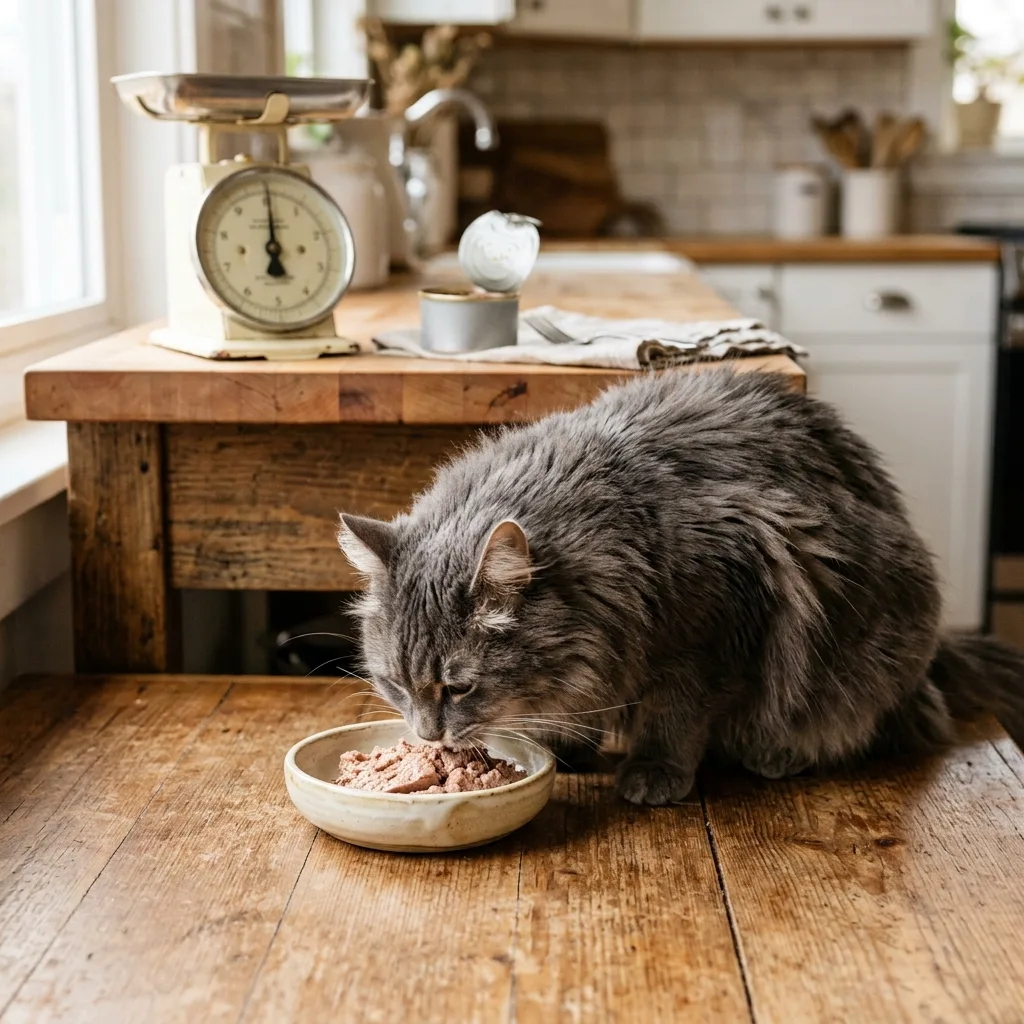
Quick answer: kittens knead against their mother’s belly to get the milk flowing while they nurse, and plenty of cats simply never grow out of it, doing it as adults whenever they feel relaxed and safe. On top of that, kneading leaves scent from glands in the paws, gives the muscles a good stretch, and helps a cat squash a soft spot into shape before lying down.
5 reasons cats knead
1. Comfort from kittenhood
Rewind to kittenhood for a second. Tiny blind kittens paddle their paws against mom’s belly while they feed, and that little pumping motion gets the milk going. So right from the start, kneading means warm, full and safe. Your adult cat working away at the fleece throw is probably chasing that exact feeling.
2. Showing affection
Getting kneaded, purr and slow blinks included? Take the compliment. Your cat is basically telling you they feel as safe with you as they did curled up with their mom.
3. Marking with scent
Cats have scent glands tucked between their toes, and kneading leaves behind a smell that we can’t pick up at all but other cats certainly can. It’s a quiet way of announcing “this is mine,” and that goes for the blanket, the bed and, yes, you.
4. Making a bed
Here’s a theory from way back. Before anyone had a couch, wild cats may have stomped down grass and leaves to make a comfy, safe bed. Watch your cat knead, spin once, spin again, then flop. Could be that old nesting instinct still ticking away.
5. Stretching
And sometimes it’s just a good stretch. Paws, legs, back. Lots of cats do a little kneading session right after a nap, the feline version of us reaching for the ceiling and groaning.
Why does my cat drool or suck while kneading?
Some cats go full spa mode: drooling, purring like an idling engine, even sucking on a bit of blanket. It’s usually a throwback to nursing, plus total relaxation, and you see it most in cats who left their mom too young. The odd bit of sucking is fine. Chewing and swallowing fabric isn’t, though, since it can block up the gut, so mention that one to your vet.
What if the claws hurt?
There’s nothing wrong with kneading, so please don’t scold or shove. A few kinder options:
- A thick, folded blanket across your knees for lap-time.
- Short claws. Our guide on how to trim cat nails makes it easy.
- A soft cushion right beside you, with a gentle nudge toward it.
- Never declaw. It’s a painful amputation, and it’s banned or strongly discouraged in lots of places.
When kneading might signal a problem
Most kneading is just kneading. It’s worth a closer look if you’re also seeing restlessness, heaps of licking, hiding, or if she’s an unspayed female, since cats in heat tend to knead more, yowl and roll about on the floor. And any sudden shift in behavior is reason enough to book a vet visit.
Curious about other ways your cat says “I love you”? Read our guide on why your cat puts his paw on your face.
Cat kneading FAQs
Do all cats knead? No. Lots of them do, but some hardly ever knead, or never do, and that’s perfectly normal as well.
Why does my cat knead me and then bite? Too much of a good thing. Some cats hit overload during cuddles. Watch for the tail starting to twitch or the ears turning sideways, and back off before the teeth come out.
Do male cats knead too? Absolutely. Toms, queens, kittens, old-timers. Everyone does it.
For more on your cat’s quirks, browse our cat behavior guides.
For more on feline behavior, International Cat Care is a trusted, science-based resource. Up next, read why your cat sniffs your face and why your cat wags his tail when you pet him.
Leave a Reply