One sneeze? Adorable. Two? Kind of funny. But a dog who sneezes again and again, shakes their head and keeps pawing at their nose? That’s when the worry kicks in. And fair enough. The reasons range from sweet to silly to “hmm, better call someone.” If you’ve been asking why does my dog keep sneezing, let’s sort out which is which.
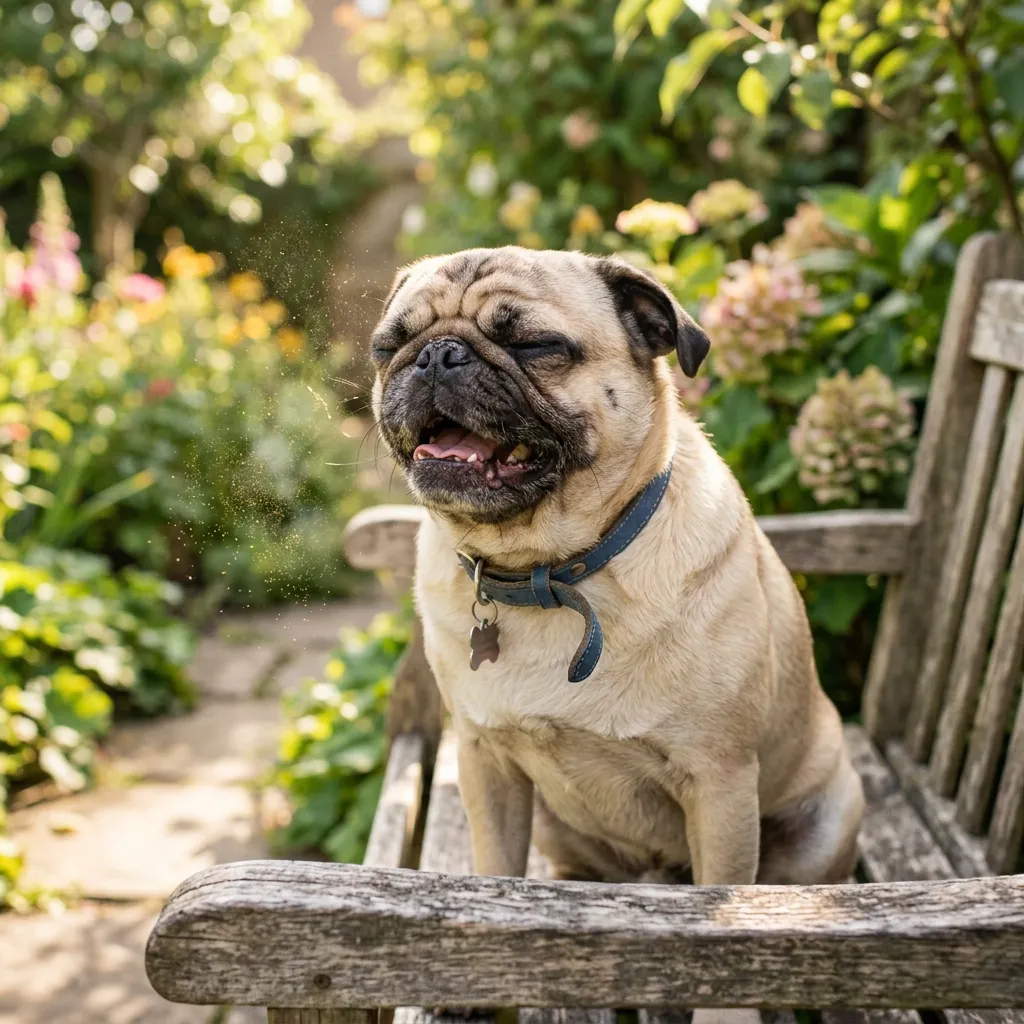
Quick answer: nine times out of ten, the nose is just irritated. Dust. Pollen. Your perfume. That lemon floor spray. Or your dog’s having a blast and sneezing from sheer excitement. When it keeps happening, though, other things come into play: allergies, a grass seed stuck up there, nasal mites, infection, a rotten tooth, and in older dogs, sometimes a growth. Vet time if it won’t stop, the snot is bloody or thick, only one nostril is running, the face swells, your dog won’t leave their nose alone, or breathing looks hard.
Sneezing, play sneezing or reverse sneezing?
First, figure out which sneeze you’re dealing with. They’re not all the same:
- A regular sneeze blasts air out of the nose to clear whatever’s bugging it. Same reflex we have.
- A play sneeze is a soft, snorty little sneeze during games or greetings, usually with a wiggly body attached. Lots of behavior experts read it as a “relax, we’re just playing” signal. Some dogs do it when they’re hyped about a walk or dinner, too.
- A reverse sneeze sounds terrible the first time you hear it. Your dog stands stiff, neck out, making loud honking snorts as they pull air in. Most owners panic. Usually, no need. VCA Animal Hospitals says it’s often set off by excitement, pulling on the leash, eating or drinking too fast, or irritants, and that gently rubbing the throat or briefly covering the nostrils so your dog swallows can help end an episode.
Why does my dog keep sneezing? The most common causes
1. Everyday irritants
Dogs smell the world at a volume we can’t imagine. Hundreds of millions of scent receptors, give or take. So that “light, fresh” air freshener? To your dog it’s like being hit in the face with a pillow full of perfume. Smoke, pollen, dust, carpet powder, cleaning sprays, same deal. If the sneezing kicks off right after you’ve vacuumed, lit a candle or wiped down the counters, you’ve probably found your culprit.
2. Allergies
Itchy skin, itchy paws, itchy ears. That’s how allergies usually show up in dogs, more than sneezing. Still, some dogs definitely sneeze more in pollen season. Is yours licking their feet or scratching too? Our guide to dog paw allergies covers the whole picture.
3. Something stuck in the nose
Sudden, violent sneezing that just won’t quit, especially after a run through tall grass, screams foreign object. Very often it’s a grass awn. You’ll usually see pawing at the nose, head shaking, and sometimes a nosebleed from one side. These seeds can work their way deeper, so don’t sit on it. Our guide to foxtails explains why they’re such trouble.
4. Nasal mites
Nasal mites. Not a phrase most owners have ever heard, which is exactly why they get missed. These are tiny parasites that set up home in the nose and sinuses, and they hop between dogs that spend time nose to nose. Signs? Sneezing, reverse sneezing, a drippy nose, nosebleeds, lots of head shaking. The Merck Veterinary Manual says they show up more in some parts of the world and are treated with anti-parasite meds.
5. Infections
Kennel cough and its cousins, the viral and bacterial bugs dogs swap at daycare and boarding, can cause sneezing, coughing, a runny nose and a tired, mopey dog. Fungal infections are nastier and slower. Aspergillosis especially: weeks of sneezing, thick or bloody discharge, sometimes a painful nose that loses its dark color. Medium and large dogs with long snouts get it most.
6. Dental disease
Here’s one people never guess. Your dog’s upper tooth roots sit right next to the nasal passages. Like, millimeters away. An infected root can push through into the nose and cause sneezing and discharge, often from one side. So if the sneezing comes with stinky breath, crusty tartar or a dog who’s chewing on one side, get their mouth looked at.
7. Flat-faced breeds
Squished faces, squished noses. Pugs, Frenchies, English Bulldogs, Boston Terriers and Shih Tzus have tight nasal passages stuffed with extra folds of tissue. More snorting, more sneezing, more reverse sneezing. Some of them should be checked for airway syndrome.
8. Nasal growths
We don’t want to scare anyone, but it needs saying. In older dogs, sneezing that goes on and on with discharge from one nostril, nosebleeds, a puffy face or noisy breathing can point to a nasal polyp or a tumor. Not the likeliest explanation, not by a long shot. It’s just the reason vets take one-sided nose problems seriously when they won’t clear up.
Normal sneezing vs. sneezing that needs a vet
| Probably fine | See your vet |
|---|---|
| A few sneezes after a good sniff or after you’ve cleaned | Sneezing a lot for more than a day or two |
| Gentle little sneezes while playing | Explosive sneezing that won’t stop after time outside |
| Clear, runny drip that dries up fast | Thick snot that’s yellow, green or has blood in it |
| A short reverse-sneeze fit, then back to normal | Discharge coming out of one nostril only |
| Eating and playing like usual | Face pawing, swelling, stinky breath or labored breathing |
Head straight to emergency care if your dog can’t breathe properly, has a nosebleed that won’t stop, or has pale or blue gums. Looking for a practice? Our guide on how to choose a veterinarian can help.
How vets find the cause
For a short bout of sneezing, your vet might just look your dog over and say keep an eye on it. For sneezing that’s stubborn or severe, VCA Animal Hospitals outlines a step-by-step workup that can include:
- A full physical and a look at the teeth
- Blood tests, including clotting tests if there are nosebleeds
- X-rays or a CT scan of the nose and skull
- Rhinoscopy, where a tiny camera goes up the nose, usually under anesthesia
- Nasal flushes or biopsies to look for infection, mites or growths
Which tests make sense depends on your dog’s age, breed and symptoms.
What you can do at home
- Cut down the smelly stuff. Put away the sprays, scented candles and plug-ins, at least in rooms your dog hangs out in. Vacuum while they’re elsewhere, then crack a window.
- Try a harness if your dog reverse sneezes every time they hit the end of the leash.
- Wipe paws and face after walks when pollen counts are high.
- Stay on top of dental care. Brushing and checkups help head off tooth root problems that can spread to the nose.
- Steer clear of tall, dry grass in late spring and summer.
- Keep notes and film it. Jot down when it happens, what comes out and from which side. A 20-second video of a sneezing fit tells your vet more than any description.
Skip the human decongestants and nasal sprays. A lot of them contain ingredients that are toxic to dogs.
Why dogs sneeze when they play
Does your dog sneeze when you grab a toy, mid-wrestle with a buddy, or right before a walk? That’s probably a communication sneeze. It often comes with a play bow, a curled lip that looks like a grin and a bouncy body. It seems to keep play friendly. Some dogs even sneeze to ask for more. It’s one of the happy sneezes, and there’s nothing to fix.
One nostril or both? A clue that matters
Your vet will want to know: one side or both? It’s a surprisingly useful clue. Both nostrils running usually points to something that affects the whole nose, like a bug, irritants or allergies. One side only, with discharge, blood or swelling, points to something sitting in one spot: a grass seed, a bad tooth root, fungus, a growth. Easy home test: gently wipe each nostril with a clean tissue and look at the color. Pass that on to your vet. It helps them decide where to start.
How long is too long?
A quick sneezing fit that’s over in minutes? Don’t give it a second thought. A day of on-and-off sneezing after digging in a dusty shed? Pretty normal too. Still sneezing a lot after two or three days, though, or getting worse, or picking up new symptoms like discharge, low energy, a poor appetite or face pawing? Book in. And the one exception to all the waiting: sudden, violent sneezing right after a run through long grass. Call the same day. A grass seed only goes deeper the longer you leave it.
Frequently asked questions
Why does my dog sneeze when I pet him?
Usually it’s excitement. But some dogs sneeze because your hands smell of lotion, perfume or cleaning products. If it only happens when you touch their face, take a gentle look at their nose and teeth.
Can dogs catch a cold from humans?
Generally no, dogs don’t catch human colds. They have their own respiratory bugs that spread from dog to dog, especially in kennels, daycare and dog parks.
Is reverse sneezing dangerous?
The odd episode is usually harmless. If they start happening a lot, last longer, or come with a runny nose or a cough, ask your vet to look for a cause, like mites, allergies or an airway problem.
Why does my dog sneeze at night?
Dusty bedding, dry air and lying in a new position can all set off sneezing. Wash bedding weekly and try a humidifier. If the night sneezing keeps going, get it checked.
Should I worry if my puppy sneezes a lot?
Puppies can pick up respiratory infections, especially after coming from a shelter or breeder. A puppy with sneezing plus a runny nose, cough, low energy or poor appetite should see the vet soon.
This article is for general information and is not a substitute for advice from your veterinarian.
Leave a Reply