An ambulance screams past, and before it’s even reached the corner, your dog throws their head back and lets rip with a long, sad note. Or a neighbor mentions, a bit awkwardly, that your dog’s been singing the blues every afternoon while you’re at work. Howling is about as old as dogs get. Depending on when and why it happens, it can be sweet, hilarious or a genuine red flag. So why does my dog howl? Let’s dig into that ancient song.
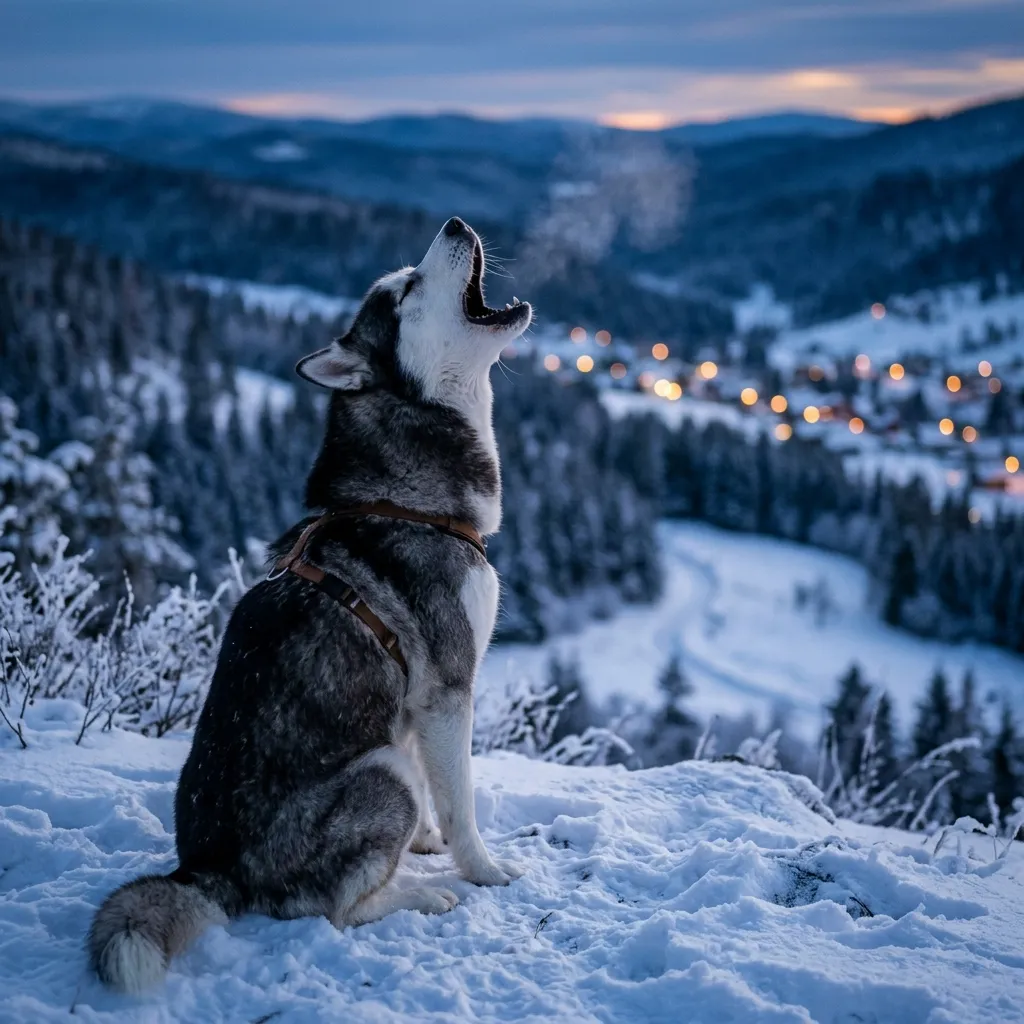
Quick answer: dogs howl to talk over long distances, to answer high-pitched sounds like sirens or music, to call for company when they’re alone, to get your attention, and sometimes because they’re anxious, hurting or confused. Singing along with a fire truck? Usually harmless. Howling when left alone, older dogs howling at night, or howling that comes with other behavior changes can mean stress or a health problem worth looking into.
Howling: a long-distance phone call
Wolves howl to stay in touch with pack mates they can’t see, to rally the group, and to tell neighboring packs “this is our patch.” A howl travels way further than a bark, especially over open country. Our dogs kept the ability, though most use it a lot less than their wild relatives. When your dog howls, they’re basically broadcasting to anyone in earshot: “I’m here. Where are you?”
What new research reveals about howling
In 2023, researchers at Eötvös Loránd University in Hungary published a study in Communications Biology where they played wolf howls to family dogs of all sorts of breeds and filmed what happened (read the study). A few things jumped out:
- Breeds genetically closer to wolves, like Siberian Huskies, Alaskan Malamutes and some spitz types, were more likely to howl back.
- Within those breeds, older dogs howled more than young ones.
- Breeds further from wolves genetically were less likely to howl, and more likely to show signs of stress, like restlessness, when they heard it.
The researchers think that for lots of modern breeds, a howl just doesn’t mean much anymore, so it can come across as unsettling rather than friendly. Which is a good reminder that howling isn’t one thing. For a Husky it might be a social chat. For your Frenchie, the same sound might be downright confusing.
Why does my dog howl? The most common reasons
1. Responding to sirens, music and other sounds
Sirens, harmonicas, people singing, certain ringtones, even a dog howling on TV. Any of these can get a dog going. A siren’s pitch and its rise-and-fall pattern sound a lot like a howl in the distance. Plenty of dogs seem to answer it, then stop once the noise fades. It’s harmless, and honestly, most owners think it’s adorable.
2. Loneliness and separation distress
Howling that kicks off as you leave, or only happens while you’re out, is a textbook sign that your dog finds being alone hard. It often comes with pacing, scratching at doors, chewing things up, drooling or accidents. Not sure if it’s happening? A pet camera or a chat with the neighbors will tell you.
3. Calling for attention
If howling makes you come running, talk, pet or feed your dog, they’ll figure that out fast. Some dogs howl at dinnertime, bedtime or whenever you’re on the phone for exactly that reason.
4. Announcing something
Dogs may howl when they catch a sound or smell outside: wildlife, other dogs, the delivery driver, or something you can’t pick up at all. Scent hounds like Beagles, Bloodhounds and Basset Hounds are famous for baying, a howl-ish cry they use when they’re on a trail.
5. Excitement and joy
Some dogs let out a happy “woo-woo” when you walk in the door, when friends come over or in the middle of a game. You’ll know it’s joy because the whole back end is wagging.
6. Pain or discomfort
Howling or whining that seems to come out of nowhere, especially when your dog moves, gets touched or tries to lie down, can mean pain. Watch for limping, stiffness, a hunched back or changes in appetite.
7. Age-related confusion
Older dogs sometimes start howling or crying at night because of canine cognitive dysfunction, which is a lot like dementia. They might also seem lost, sleep more in the day, pace at night or forget routines they’ve known for years.
8. Breed and personality
Some breeds are just chatterboxes. Huskies, Malamutes, Beagles, Coonhounds, Dachshunds and some Shiba Inus are known for it. It’s part of who they are, and trying to silence them completely wouldn’t be fair.
Harmless howling vs. howling that needs help
| Usually harmless | Worth investigating |
|---|---|
| A quick howl at a siren or a song | Long stretches of howling while you’re out |
| Happy howls when greeting or playing | Howling along with pacing, drooling or wrecking things |
| A chatty breed just being itself | A usually quiet dog who suddenly starts howling |
| Stops once the sound stops | An older dog howling at night |
| Loose, relaxed body afterward | Howling when moving or being touched |
Why does my dog howl at night?
Night howling has a bunch of possible causes: noises outside you can’t hear (coyotes, other dogs, far-off sirens), loneliness if your dog sleeps away from you, needing a bathroom trip, or discomfort. In older dogs it’s often tied to cognitive changes, fading sight or hearing, or sore joints that stiffen up when lying still. A comfy, familiar bed, a last potty break before lights out and a calm bedtime routine help a lot of dogs. If your older dog’s night howling is new, talk to your vet. There are treatments and diets that can support brain health and comfort.
How to reduce howling
- Find the trigger. Keep a quick log of when it happens. Patterns point to the cause.
- Rule out pain or illness, especially if the howling is new, happens at night or comes with other changes. Our guide on how to choose a veterinarian can help you find the right practice.
- Don’t reward attention howling. Wait for a moment of quiet before you respond, then give calm attention.
- Reward the quiet. Say “quiet,” wait for even a short pause, then treat. Slowly stretch out the silence.
- Work on alone time. Practice short departures, hand over a long-lasting chew or food toy as you leave, and keep comings and goings low-key.
- Drown out outside noise. A fan, white noise or soft music can cut down reactions to sounds outdoors.
- Up the exercise and enrichment. A dog who’s physically and mentally tired is less likely to howl out of boredom.
- Get professional help for serious separation distress. A qualified trainer, behavior consultant or veterinary behaviorist can build a step-by-step plan, sometimes with medication.
Please don’t punish a dog for howling, especially if fear or loneliness is behind it. It just adds stress and usually makes things worse.
Should you howl with your dog?
Lots of families love a good howl-along, and many dogs clearly have a ball. If your dog looks happy, relaxed and stops easily, go for it. If they seem worked up or keep going long after you’ve stopped, maybe skip it.
Howling often goes hand in hand with other attachment behaviors, like following you from room to room or staring at you while you work. Seeing the whole picture helps you give your dog what they need.
Howling vs. whining vs. baying
These sounds are cousins, not twins, and telling them apart helps you respond the right way. A howl is a long, drawn-out note that often rises and falls, usually aimed at someone out of sight. A whine is higher, shorter and repeated over and over, usually a request, or a sign of stress or discomfort right there and then. Baying is the deep, rhythmic cry of a scent hound on a trail, a working sound that tells hunters where the dog is. A dog switching between whining and howling while pacing at the door is saying something very different from a Husky crooning along to the fire truck.
A simple test for separation-related howling
Set up your phone or a pet camera to record, then head out like you normally would. Stay away 15 to 30 minutes and watch the footage. When does the howling start? How long does it last? What’s your dog doing in between? A dog who howls for a minute and then settles usually just needs small changes, like a food toy and a calmer exit. A dog who howls, paces, scratches or drools most of the time is really struggling and deserves a proper training plan, often with a pro involved. It saves a ton of guesswork.
Frequently asked questions
Why does my dog howl when I leave?
Usually because being alone makes them lonely or anxious. Short practice absences, puzzle toys and a calm leaving routine help. If it’s intense, talk to your vet or a behavior professional.
Why does my dog howl at other dogs howling on TV?
To your dog, it sounds like another dog calling out. Answering is a normal social reaction, and it usually stops when the sound does.
Do dogs howl when someone is about to die?
No, there’s no science behind that old superstition. Dogs howl for everyday reasons, like sounds, loneliness or discomfort.
Why does my puppy howl in the crate?
Little puppies howl because they miss their littermates and feel alone. Keep the crate near you at first and follow the tips in our guide to your puppy’s first night home.
Does howling hurt a dog’s throat?
Normal howling doesn’t. But if your dog’s voice goes hoarse, or they’re coughing or gagging, check with your vet.
This article is for general information and is not a substitute for advice from your veterinarian.
Leave a Reply